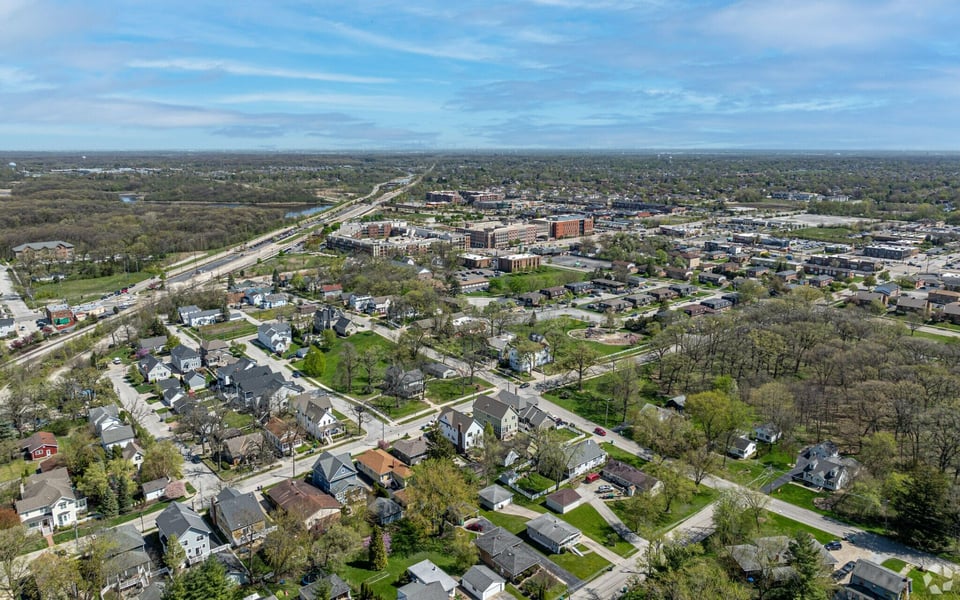
01
Layout & Shared Walls
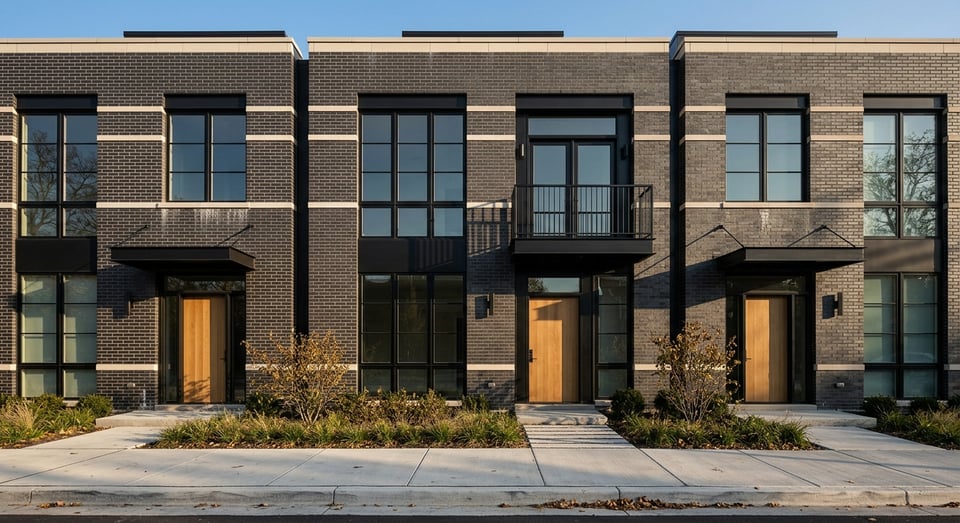
Compare bedroom placement, stairs, ceiling height, natural light, basement or lower-level space, sound transfer, and whether the home is an interior or end unit.

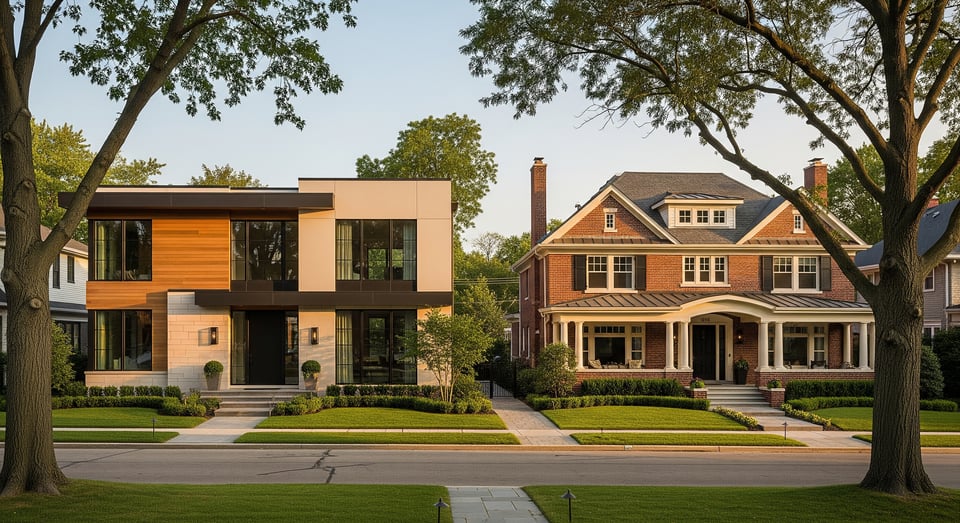
Space With Less Exterior Upkeep
Orland Park townhomes for sale can offer a practical middle ground between condominium living and a detached house. Buyers may find multi-level layouts, private entrances, attached garages, patios or decks, community landscaping, and association-managed services—all while remaining close to Orland Park’s shopping, parks, commuter options, and everyday services.
The exterior style is only one part of the decision. Before choosing a community, compare the legal ownership structure, monthly assessments, maintenance boundaries, reserve planning, insurance, parking, rental and pet rules, and any upcoming projects or special assessments.
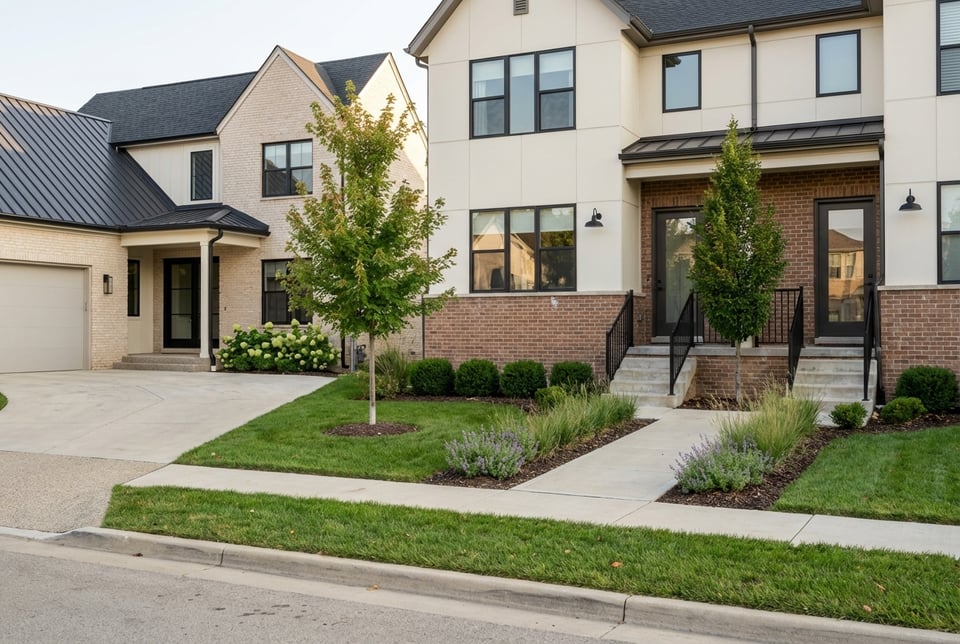
Orland Park Townhome Living
Townhome buyers often want more separation and storage than a typical apartment-style residence without taking on the full exterior workload of a detached home. Depending on the community, that can mean a private front door, an attached garage, bedrooms on a separate level, a patio or deck, and shared maintenance for landscaping, snow removal, exterior elements, or community amenities.
Those benefits vary significantly from one development to another. A newer townhome with a simple association may operate very differently from an older amenity-rich community or a townhouse that is legally part of a condominium association. Compare the complete ownership experience—not just the photos and finishes.
Property Features
Use the active listings above to identify possibilities, then compare the details that affect comfort, maintenance, total monthly cost, financing, and resale.
Compare bedroom placement, stairs, ceiling height, natural light, basement or lower-level space, sound transfer, and whether the home is an interior or end unit.
Verify garage capacity, driveway rights, guest parking, storage areas, snow-removal responsibility, and whether parking spaces are deeded, assigned, limited, or shared.
Review patios, decks, balconies, small yards, fencing rules, exterior alteration restrictions, grilling policies, and who maintains each outdoor area.
Do not assume the association covers the roof, siding, windows, doors, driveway, deck, foundation, or mechanical systems. Confirm every maintenance boundary in writing.
Some communities may offer landscaping, snow removal, walking paths, pools, clubhouses, green space, or other amenities. Compare condition, usage rules, and funding.
Evaluate the interior and the wider community. Roofs, paving, drainage, landscaping, exterior finishes, shared systems, and reserve-funded projects can affect future costs.
Property-Type Comparison
These are common patterns, not legal guarantees. A townhouse-style property may be legally structured as a condominium, so the recorded documents control.
Decision Area | Townhome Search | Condo Search | Detached-Home Search |
|---|---|---|---|
Physical Style | Often attached, multi-level, and designed with a private entrance; may include an attached garage and limited private outdoor space. | May be apartment-style, townhouse-style, or another building form. “Condo” describes ownership rather than one specific exterior design. | A separate structure without shared side walls, generally offering more private land and greater exterior control. |
Ownership | Can be fee-simple ownership in a common-interest community or legally part of a condominium. Confirm through title and governing documents. | Ownership is defined by the condominium declaration, including the unit, common elements, and any limited common elements. | Typically includes the home and lot, although an HOA, easements, covenants, or community rules may still apply. |
Maintenance | Association coverage varies. Exterior work may be broad, limited, or divided between the owner and association. | The declaration defines unit-owner and association responsibility; coverage can differ substantially by development. | The owner usually manages the structure, roof, landscaping, driveway, and exterior systems unless documents say otherwise. |
Lifestyle Fit | Often suited to buyers wanting a garage, multi-level space, and reduced exterior chores with community rules. | Often suited to buyers prioritizing lower-maintenance ownership, shared services, and potentially fewer private exterior areas. | Often suited to buyers prioritizing privacy, yard space, control, storage, and flexibility for improvements. |
Explore Listings | Use the active Orland Park townhome listings and map above to compare available options. |
Association & Ownership Review
Townhome architecture does not automatically tell you how the property is owned, insured, maintained, or financed. In Illinois, attached townhomes can exist within different legal structures, and the declaration and related records determine the rights and obligations attached to the property.
Before committing, coordinate document review with the appropriate real estate attorney, lender, insurance professional, inspector, title company, and other advisors. The goal is to understand the monthly cost structure and the community’s ability to maintain shared property over time.
Important: Ask your lender to identify any project-level review early. A property that is marketed as a townhome may still require condominium or association documentation for financing.
Lifestyle Fit
Instead of choosing a community by amenities alone, begin with the way you expect to use the home and the responsibilities you prefer to keep or delegate.
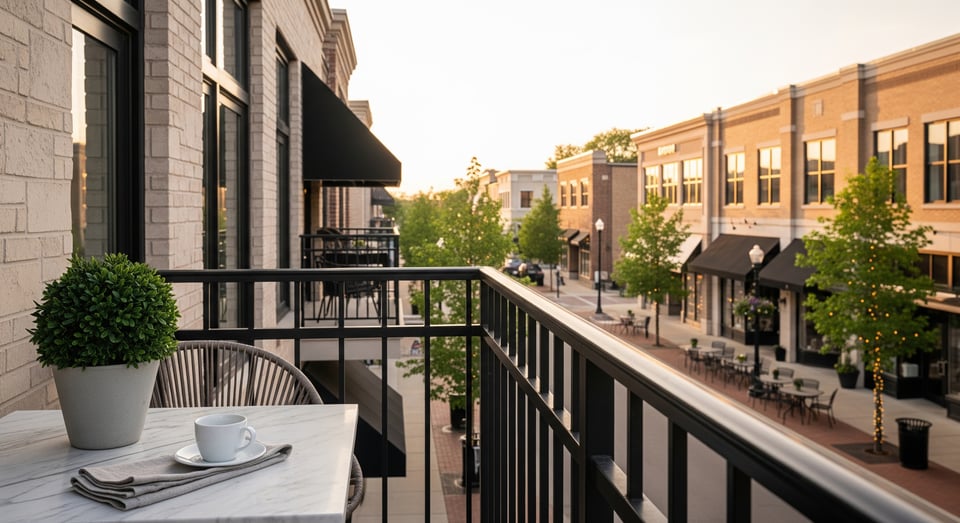
Prioritize access to work routes, Metra, shopping, healthcare, dining, parks, and everyday services. Confirm traffic patterns, guest parking, snow operations, and the actual door-to-door routine.
Explore Local Convenience →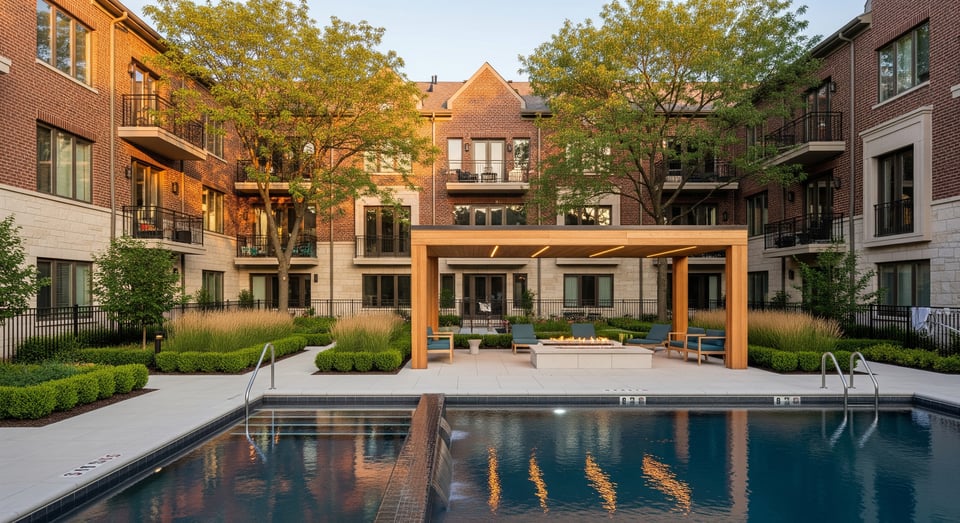
Pools, clubhouses, walking paths, green space, fitness areas, and community programming can add value to daily life. Compare condition, usage rules, staffing, reserves, and long-term funding.
Review Townhome Amenities →
Buyers who travel, downsize, or simply prefer fewer exterior chores should compare exactly what the association maintains, how quickly work is handled, and what remains the owner’s responsibility.
Read the Attached-Home Guide →Buyer Roadmap
A strong process connects the physical property, community documents, total cost, financing, and lifestyle fit before the offer becomes final.
Set priorities for bedrooms, stairs, garage size, storage, outdoor space, work-from-home needs, pets, accessibility, commute, and maintenance.
Evaluate mortgage, taxes, insurance, association fees, utilities, personal maintenance, parking, and any planned assessment—not list price alone.
Look beyond the unit at paving, roofs, drainage, landscaping, exterior finishes, parking flow, lighting, amenities, noise, and overall upkeep.
Use a qualified inspector and clarify which observed components belong to the owner, association, or another party before deciding how to proceed.
Coordinate the declaration, rules, budget, reserves, insurance, minutes, assessments, litigation, and lender project requirements within the contract timeline.
Consider layout, garage, condition, association stability, rental limits, pet rules, accessibility, parking, and community appeal through a future buyer’s eyes.

Local Buyer Representation
A townhome purchase requires attention to both the residence and the community behind it. Aaron Gaines helps buyers narrow the search, compare Orland Park townhome options, understand market context, prepare better questions, and coordinate a clear process from touring through closing.
Legal, financial, insurance, inspection, title, lending, and association questions should still be addressed by the appropriate qualified professionals. The goal is to identify important issues early and help buyers compare properties on total ownership experience—not appearance alone.
Local Buyer Resources
Use these locally focused guides to compare ownership structures, townhome amenities, detached-home alternatives, and day-to-day location convenience.
Townhome Buyer Questions
General guidance about townhome ownership, HOA fees, maintenance, insurance, financing, inspections, parking, documents, and property-type comparisons in Orland Park.
Depending on the community, buyers may find private entrances, multi-level layouts, attached garages, basements or lower levels, patios or decks, limited private yards, guest parking, landscaping, snow removal, and shared amenities. Every listing and association should be reviewed individually.
Yes. “Townhome” often describes the physical style, while condominium describes a legal ownership structure. A townhouse-style residence may be part of a condominium association or a non-condominium common-interest community, so buyers should confirm the declaration and title documents.
Coverage varies. Assessments may fund landscaping, snow removal, common-area maintenance, exterior work, insurance, management, reserves, or amenities. Buyers should review the current budget and governing documents instead of assuming that a particular component is included.
Common review materials include the declaration, bylaws, rules, amendments, budget, financial statements, reserve information, insurance summary, meeting minutes, assessment history, capital plans, litigation disclosures, owner-responsibility chart, and any lender-required project documents.
A townhome is commonly understood as an attached architectural style, often with a private entrance and multiple levels. A condominium is a form of ownership. Some Orland Park townhomes may be condominiums, while others may be fee-simple homes governed by an HOA or common-interest association.
Townhomes may reduce certain exterior chores and offer a lower-maintenance routine, but they usually involve shared walls, assessments, and community rules. Detached homes generally offer more privacy, land, and exterior control while placing more maintenance responsibility directly on the owner.
Insurance needs depend on the ownership structure and the association’s master policy. Buyers should obtain the policy summary, understand what the association insures, and work with a qualified insurance professional and lender to identify the owner’s required coverage, deductibles, loss-assessment exposure, and gaps.
They can. Depending on the legal structure and loan program, lenders may review budgets, reserves, owner occupancy, insurance, litigation, delinquencies, special assessments, and project eligibility. Buyers should involve their lender early rather than waiting until the final stages of the transaction.
In addition to the home’s interior, review roofs, siding, windows, doors, decks, paving, drainage, landscaping, retaining walls, shared systems, garages, parking, lighting, amenities, and signs of deferred maintenance. Clarify which components the owner versus association must repair.
Review rules for pets, rentals, parking, guests, commercial vehicles, exterior changes, patios and decks, grills, signs, satellite dishes, holiday décor, storage, noise, move-in procedures, and use of community amenities. Confirm any priorities that could affect daily life or future resale.
Your Orland Park Townhome Search
Share the layout, garage, location, maintenance, amenity, and monthly-cost priorities that matter most. Aaron Gaines can help you compare available Orland Park townhomes and organize a focused path from property search through association review and closing.
Property Search
Explore the latest listings to discover the perfect place to call home.
ADDRESS 16101 108TH AVE ORLAND PARK IL 60467
SEND A MESSAGE
Reach out now for a fast response and personal assistance.
ADDRESS 16101 108TH AVE ORLAND PARK IL 60467
SEND A MESSAGE
Reach out now for a fast response and personal assistance.