
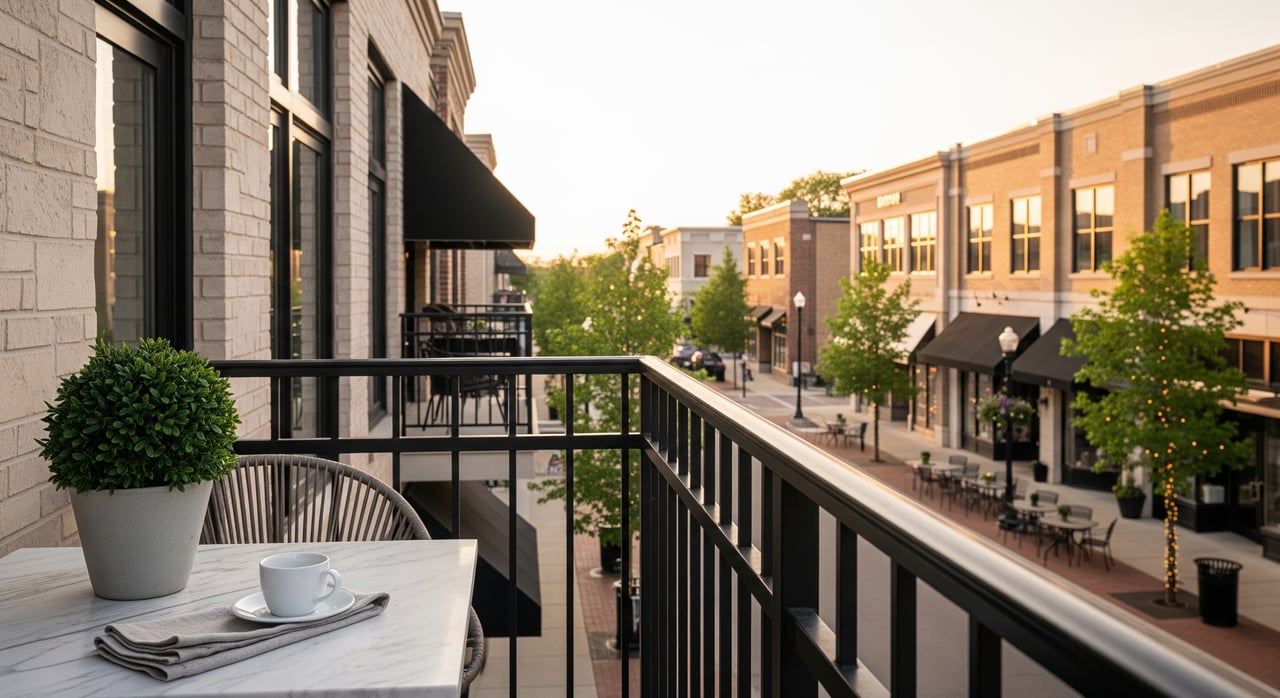
Want groceries, coffee, and dinner all within minutes of home? If you’re looking at Orland Park, living near its shopping and dining corridors can shape your day in simple, time-saving ways. You probably want convenience without giving up a comfortable neighborhood feel. In this guide, you’ll see what daily life looks like near each corridor, the housing you’ll find, commute basics, and the real trade-offs to consider. Let’s dive in.
Orland Park at a glance
Orland Park sits southwest of downtown Chicago and serves as a regional retail hub for the southwest suburbs. The village has a population of about 58,700, based on the 2020 U.S. Census. Downtown Chicago is roughly 20 to 30 miles away, and drive times vary widely, often 35 to 60 minutes or more depending on traffic and route. Retail clusters along several main roads and at a regional shopping node, mixing big-box, grocery, chain dining, local restaurants, and some walkable streets.
Where the action is: key corridors
La Grange Road vibe
La Grange Road (US 45) is Orland Park’s principal north-south commercial spine. Everyday vibe: you’ll see strip centers, stand-alone restaurants, and service businesses like banks and dry cleaners. Quick errands are easy by car, and curbside parking is common. Evenings/weekends: a blend of chain and local dining draws steady crowds, especially on weekend nights, with pedestrian activity varying by block. Housing nearby: expect townhomes, small apartment communities, and older single-family homes tucked on adjacent streets. Trade-offs: top-tier convenience comes with heavier traffic and some noise on the closest blocks; parking can be busier near popular restaurants on weekends.
143rd Street and village center
Along 143rd Street and nearby downtown nodes, you’ll find smaller retailers, local restaurants, and municipal anchors that create a neighborly feel. Everyday vibe: this area supports more frequent foot traffic thanks to community amenities and a main-street rhythm in certain pockets. Evenings/weekends: family-friendly restaurants and coffee shops feel active without a late-night rush. Housing nearby: a mix of older single-family homes within walking distance and lower-rise multifamily closer to storefronts. Trade-offs: better pedestrian access to daily errands with a quieter feel after business hours compared to regional retail zones.
Regional mall and big-box node
This area offers one-stop shopping for groceries, apparel, pharmacy needs, and entertainment. Everyday vibe: high convenience with heavier vehicle and foot traffic during daytime and weekends. Weekday evenings tend to be calmer, outside holidays and sales periods. Evenings/weekends: entertainment options like movie theaters and mall dining can create lively nights during peak seasons. Housing nearby: apartments, townhouses, and newer subdivisions a short drive away. Trade-offs: unmatched retail convenience and many dining choices are balanced by busier roads, large parking fields, and lighting near the biggest centers.
159th and east-west retail strips
East-west corridors, including 159th, are defined by car-oriented retail and national dining clusters. Everyday vibe: quick errands are straightforward, with plenty of parking and easy in-and-out access. Walkability: getting between destinations on foot is less common due to distances and parking layouts. Housing nearby: newer single-family subdivisions and planned communities are often within a short drive; some multiunit rentals appear near key intersections. Trade-offs: fast vehicle access and ample parking come with busier intersections at commute and weekend shopping times.
Daily life when you live nearby
Groceries and everyday errands
- Within corridor blocks: you can stack errands in a single loop, like grocery pickup followed by a pharmacy run and coffee. Many major stores offer curbside pickup and delivery.
- A short drive of 5 to 12 minutes: you’ll find more grocery brands, specialty shops, and multiple pharmacies.
- Practical tip: living one or two blocks off the busiest arterials often balances quick access with a quieter street experience.
Dining and evenings
- Near 143rd and downtown nodes: casual local restaurants and a more pedestrian-friendly vibe make short evening walks realistic.
- Near the mall and big-box nodes: you get a wide variety of family dining and entertainment, with weekends feeling most active.
- Near La Grange Road and strip centers: plenty of takeout and dine-in options, with some blocks quieter after dinner hours.
Recreation, parks, and routines
- Many corridors sit a short drive from parks, community centers, and recreation complexes. It’s easy to pair a Saturday shopping trip with a quick playground visit or a local event.
- Families often choose homes that balance corridor proximity with access to green space a few minutes away, creating a flexible weekend routine.
Parking and walkability
- Downtown nodes around 143rd generally offer better pedestrian access, crosswalks, and on-street parking.
- Big-box clusters are designed for driving and feature large parking lots, which trade walkability for convenience.
Housing near the corridors
What you’ll find
- Immediately adjacent to retail: small to mid-rise apartments, condominiums, townhomes, and some older single-family homes on inner streets.
- One to three blocks away: primarily single-family neighborhoods, including bungalows, ranches, two-story suburban homes, and newer subdivision styles.
- Newer subdivisions and planned communities: typically a short drive to east-west retail strips and big-box areas, with quick access to essentials.
Who each option fits
- Condos and townhomes near shops: great if you want lower maintenance and fast access to dining and errands.
- Single-family homes a bit removed: ideal if you prefer a yard and quieter streets while still staying within a short drive of shopping.
- Rental options: apartments and townhomes near corridors often appeal to commuters, downsizers, and families who value proximity to amenities without the upkeep of a single-family home.
Price and trade-offs to weigh
- Proximity can push values up for convenience or pull them down near high-traffic blocks. Market dynamics and specific housing stock make the difference.
- Consider walkability versus noise, parking availability near popular restaurants, and potential redevelopment that can add both construction periods and future amenities.
- If parks and schools are a priority, map those distances along with your target corridor to see what fits your daily routine best.
Commute and transit basics
Most residents drive for daily needs. Living close to a corridor can shorten errand time, but it does not always reduce commute time to Chicago during peak traffic. Typical drives to downtown vary widely, often 35 to 60 minutes or more depending on route and conditions.
Regional options exist for commuters. Metra’s Rock Island District and SouthWest Service corridors provide rail access for many southwest suburban residents, and Pace operates bus routes in the region. If you plan to use transit, living near a stop or lot can reduce your drive-and-park time. Always verify the closest stations, parking availability, and current schedules for the neighborhood you’re considering.
How to choose your best-fit corridor
Start with your routine
- Do you want to walk to dinner a few nights a week? Focus on the 143rd and downtown nodes.
- Do you want maximum variety and easy parking for big weekly errands? The mall and big-box node or 159th corridor can deliver that.
- Do you want lots of takeout options with quick in-and-out access? La Grange Road offers frequent choices.
A quick decision checklist
- How close is the nearest grocery, pharmacy, and coffee spot?
- What are the noise and traffic levels during weekday rush and weekend midday?
- Is on-street or lot parking easy during dinner hours?
- How far are your preferred parks or community centers?
- Will proximity to transit reduce stress on your commute?
Try a sample day
- Weekday test: drive your potential errand loop after work. Time grocery pickup, pharmacy, and a quick dinner stop.
- Weekend test: visit during midday to feel parking flow and crowds. Walk a block or two off the main road to gauge noise on nearby residential streets.
- Evening test: try a weeknight and a weekend night to see how lively each area feels and how easy it is to park near restaurants.
Smart way to tour neighborhoods
- Visit at multiple times: weekday morning, after work, and weekend midday. Traffic and noise can shift a lot between those windows.
- Park and walk: spend 10 minutes on foot near your top corridor. Cross a few intersections to judge walkability and comfort.
- Look for future projects: note any infill or redevelopment signs. They can bring new amenities later, along with short-term construction activity.
Ready for next steps?
If you want a clear plan that fits your lifestyle, we can help you compare corridors, housing types, and commute options side by side. Reach out to the Lifestyle & Legacy Group to map your best-fit Orland Park move and get your free home valuation.
FAQs
What is daily life like near La Grange Road in Orland Park?
- You’ll have quick access to restaurants, services, and errands, with the trade-off of heavier traffic and some noise on the closest blocks.
Is Orland Park’s downtown area walkable for errands and dining?
- Pockets along 143rd and nearby streets offer better pedestrian access, with a neighborly feel and quieter nights than regional retail zones.
How long does it take to commute from Orland Park to downtown Chicago?
- Typical drive times vary widely and can be 35 to 60 minutes or more, depending on route, traffic, and time of day.
What housing types are near shopping and dining corridors?
- You’ll find apartments, condos, and townhomes close to retail, with predominantly single-family homes one to three blocks away.
Are groceries and essentials close to most Orland Park corridors?
- Yes. Grocery anchors, pharmacies, banks, and clinics are widely distributed along the main corridors, with specialty options a short drive away.
What transit options serve Orland Park and the southwest suburbs?
- Regional Metra lines and Pace bus routes offer access for many residents; confirm the nearest stops, parking, and schedules for your target neighborhood.