Established Residential Streets
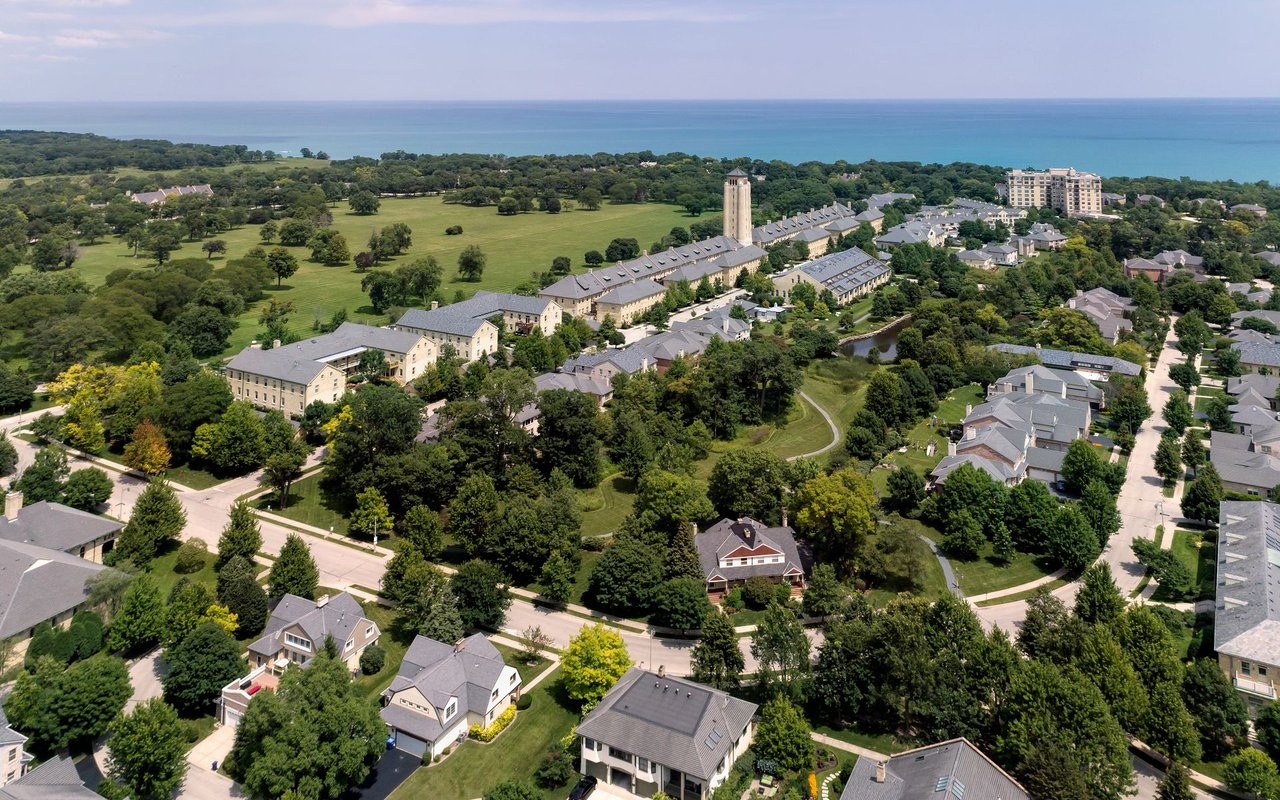
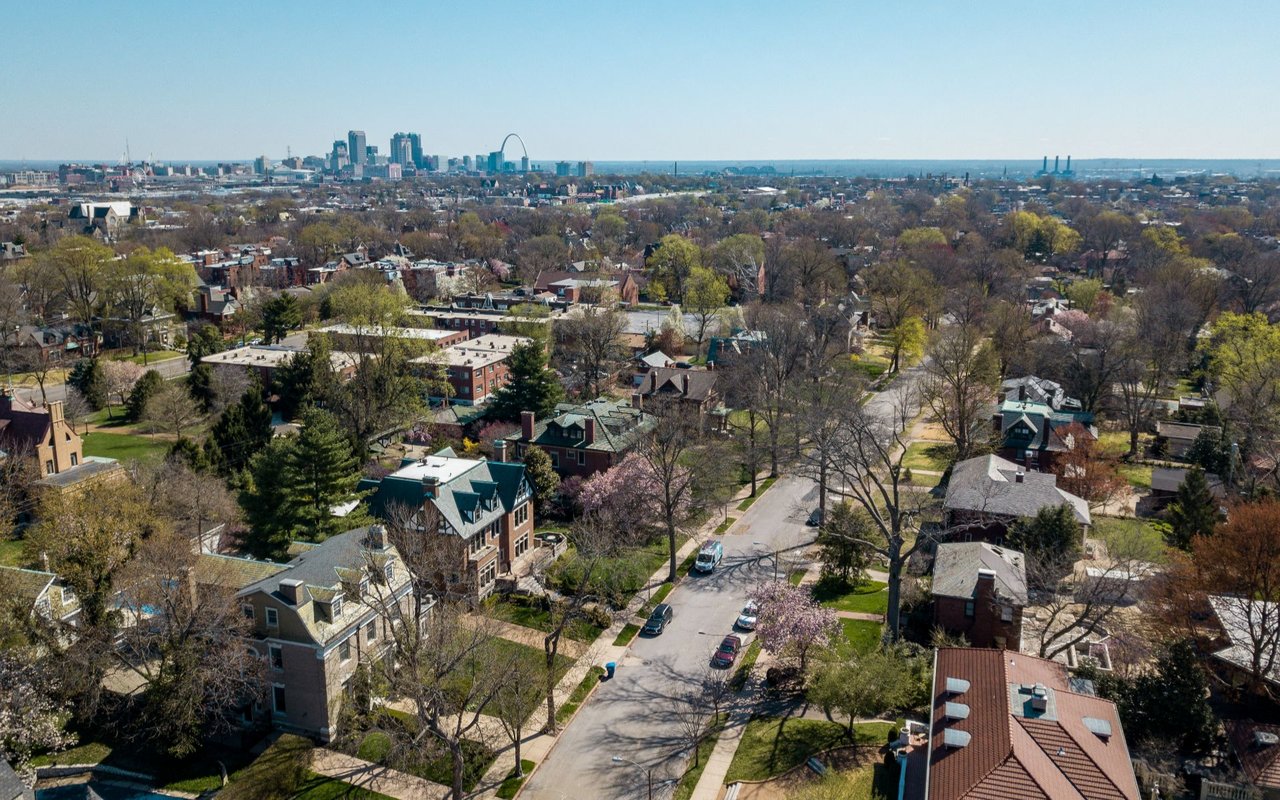
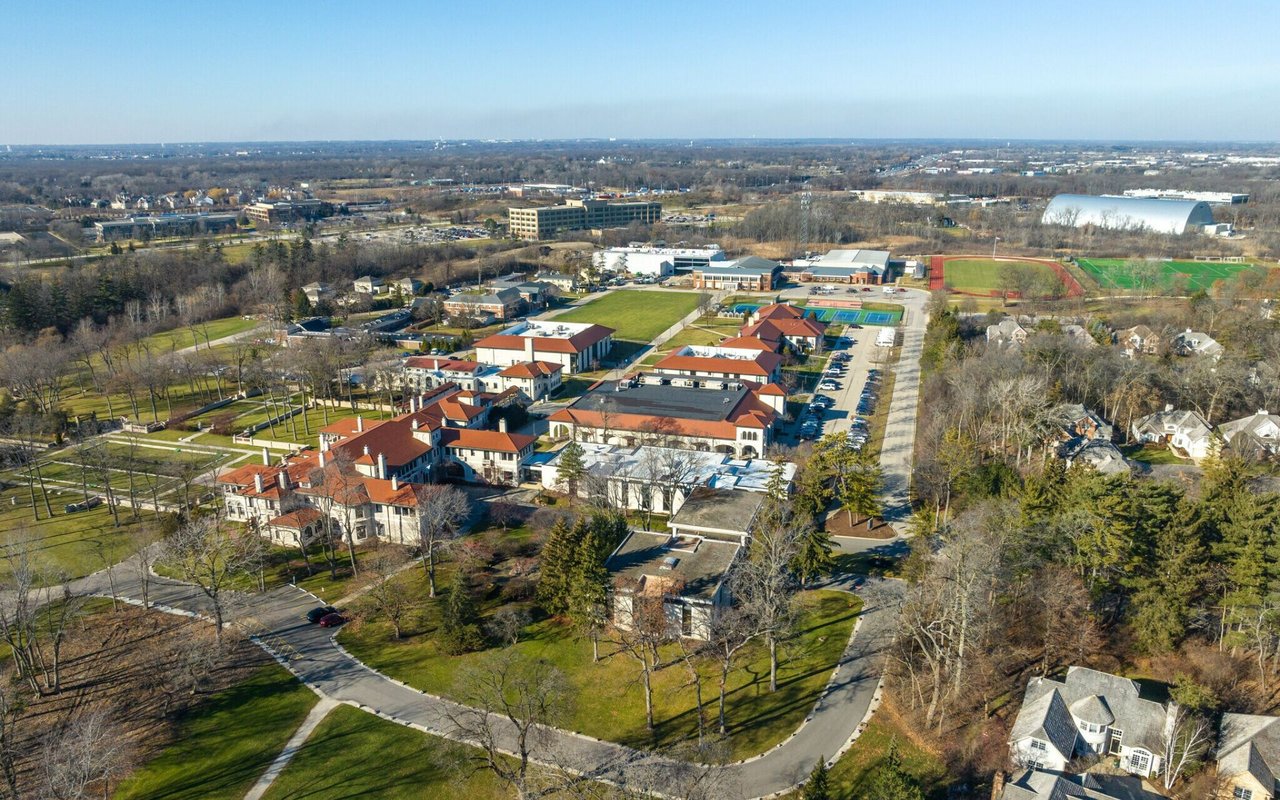
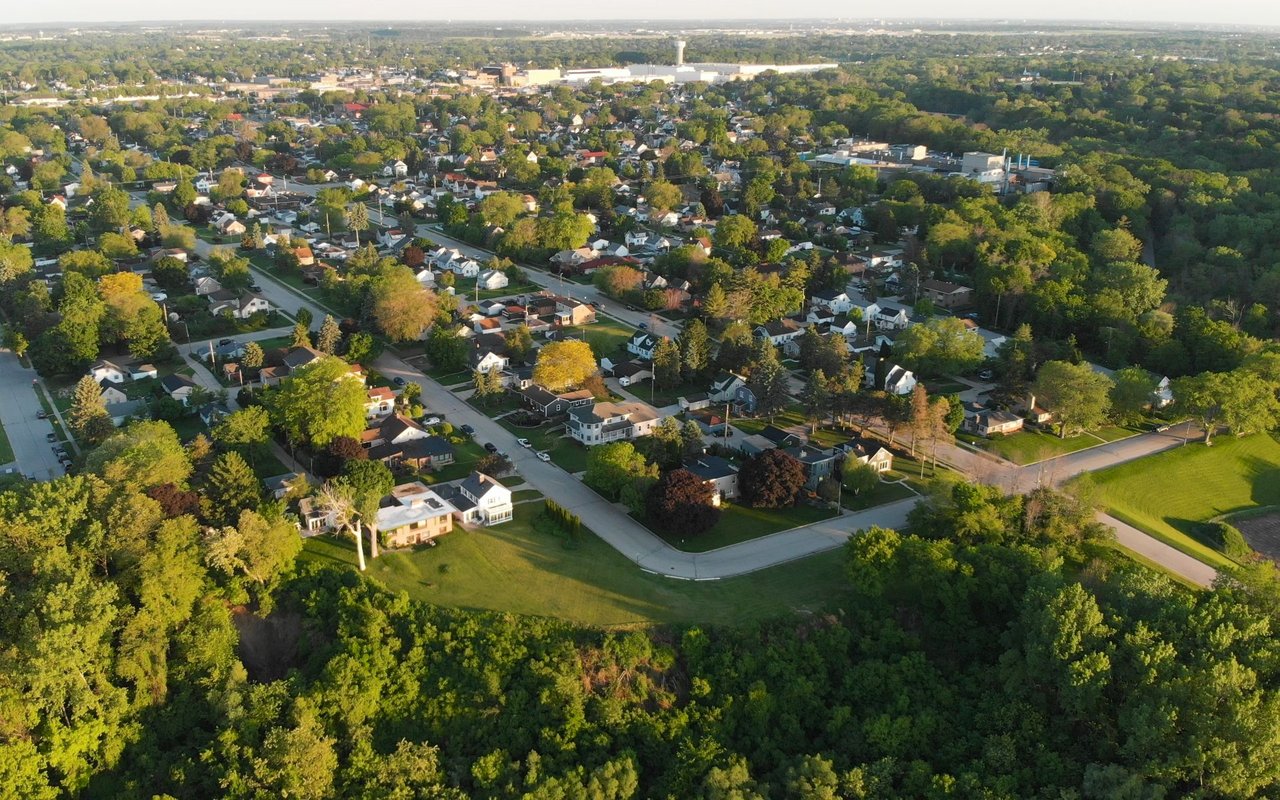
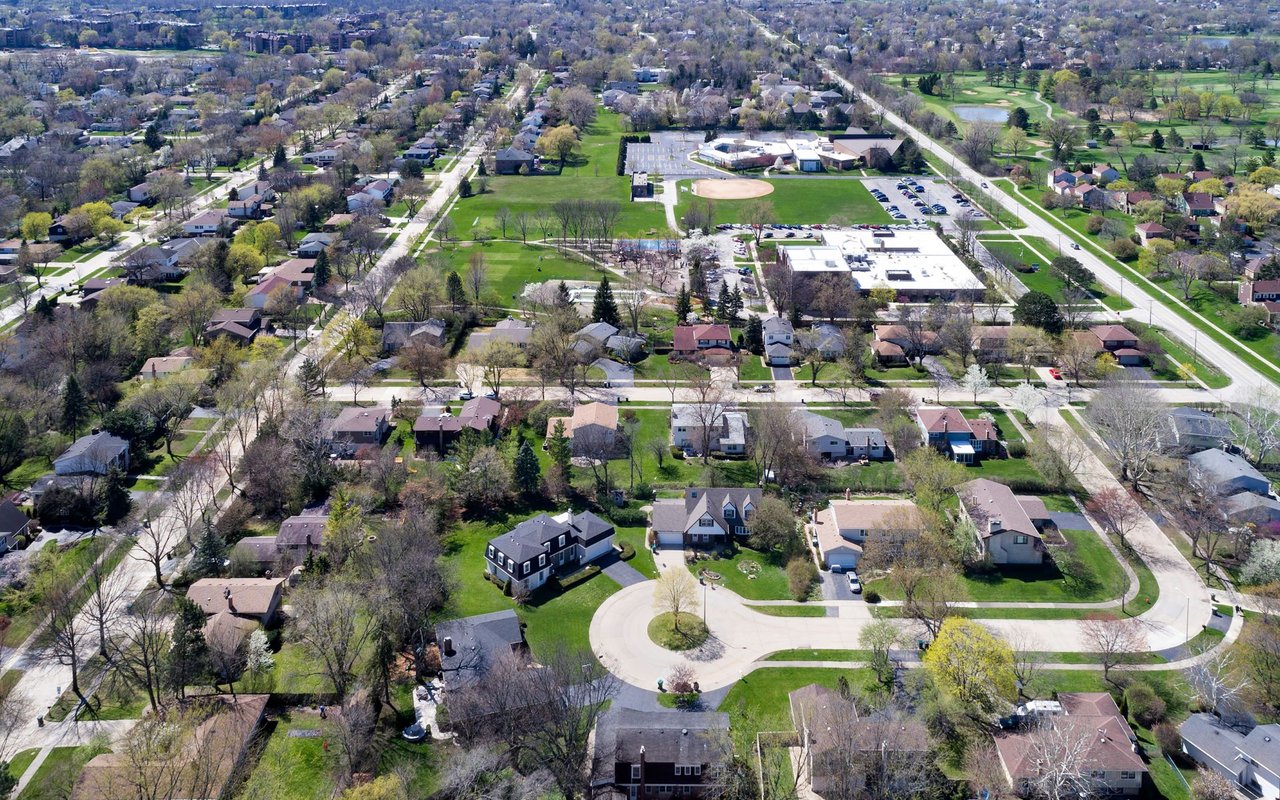
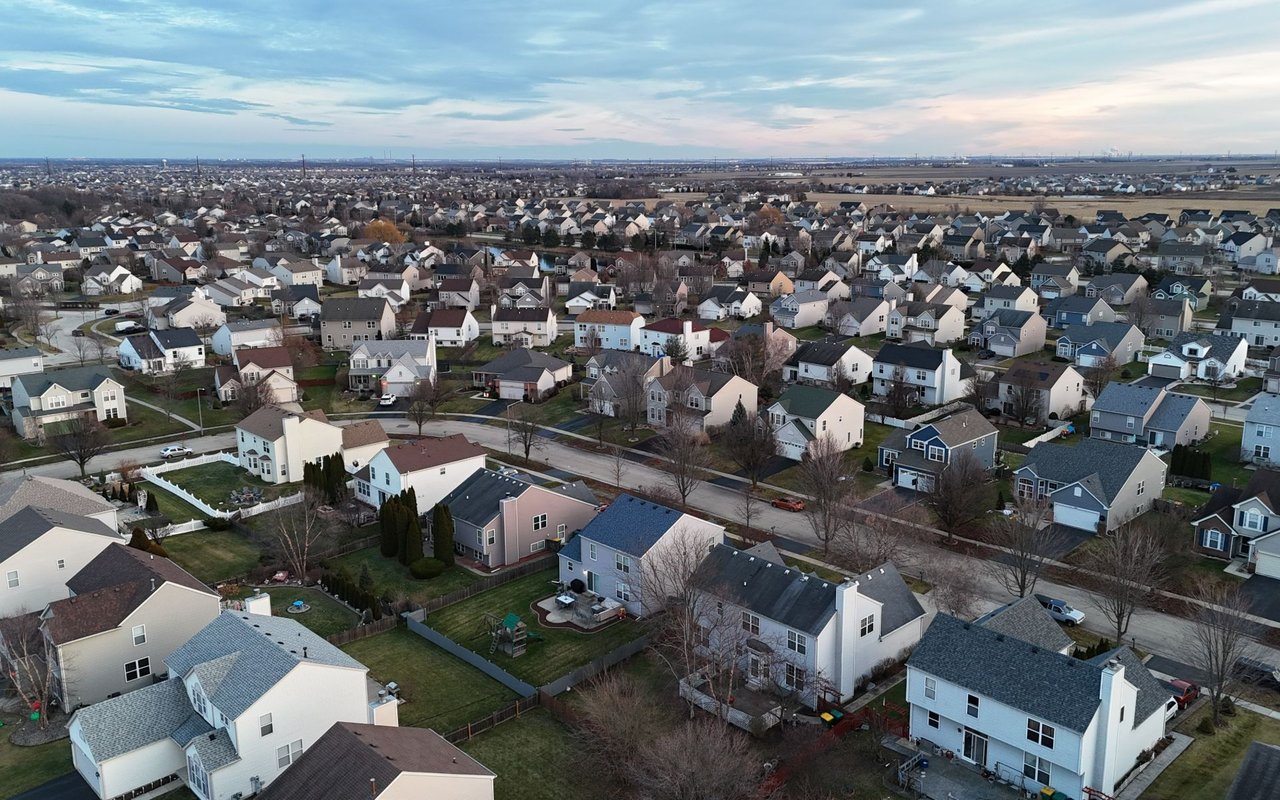
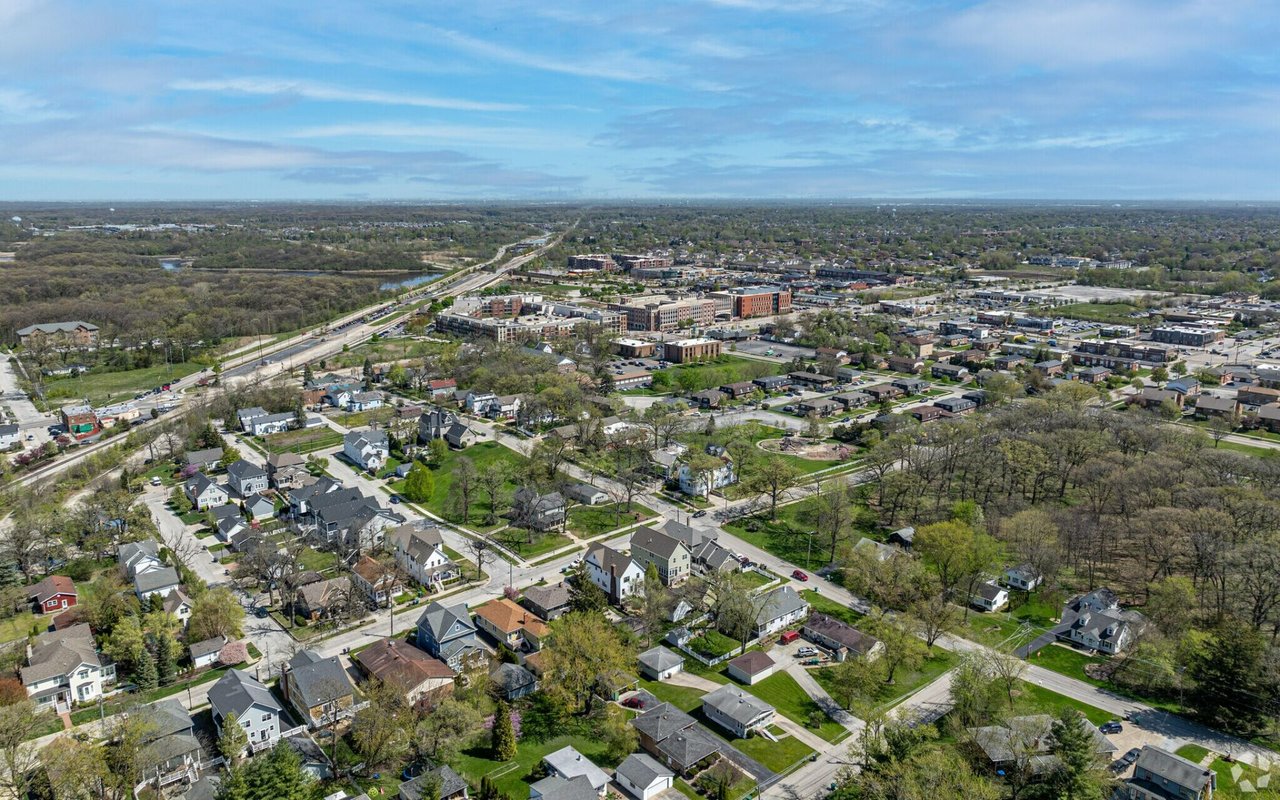
Many parts of Orland Park have a mature suburban character with established streets, landscaping, sidewalks, parks, and homes from different periods.

Orland Park Community Guide
Living in Orland Park offers a blend of established residential surroundings, abundant recreation, convenient shopping and dining, and connections throughout Chicago's southwest suburbs.
The village feels distinctly suburban, but everyday destinations are rarely far away. Parks, trails, retail corridors, restaurants, recreation facilities, schools, healthcare, and transportation options all contribute to the rhythm of daily life.
This guide is designed to help you understand the community before narrowing your home search. Explore how different parts of Orland Park feel, what residents can do nearby, and which lifestyle details may matter most when deciding where to live.
Getting to Know Orland Park
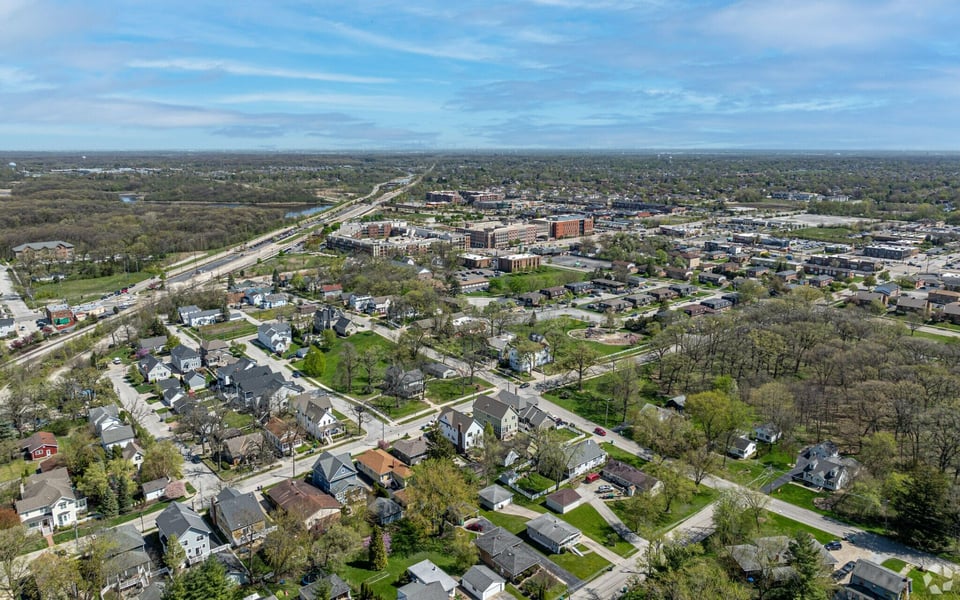
Orland Park sits southwest of Chicago and combines residential neighborhoods with some of the region's most recognizable shopping, dining, recreation, and transportation corridors.
The community includes mature residential areas, newer pockets, attached-home settings, parks, open spaces, and active commercial areas. That variety gives residents several ways to experience the village depending on where they live and how they spend their time.
For someone considering a move, it helps to think beyond a single address. Proximity to parks, Metra access, shopping, dining, schools, and the routes you use regularly can all influence which part of Orland Park feels most comfortable.
Finding Your Fit
Orland Park does not feel exactly the same from one area to the next. Buyers can compare quieter residential surroundings with locations closer to parks, transportation, shopping, and everyday activity.
Many parts of Orland Park have a mature suburban character with established streets, landscaping, sidewalks, parks, and homes from different periods.
Buyers who enjoy walking, recreation, outdoor time, or convenient park access may prefer areas closer to larger parks, trails, and community recreation facilities.
Locations near LaGrange Road and other major corridors can place restaurants, retail, groceries, fitness, and regular errands within easy reach.
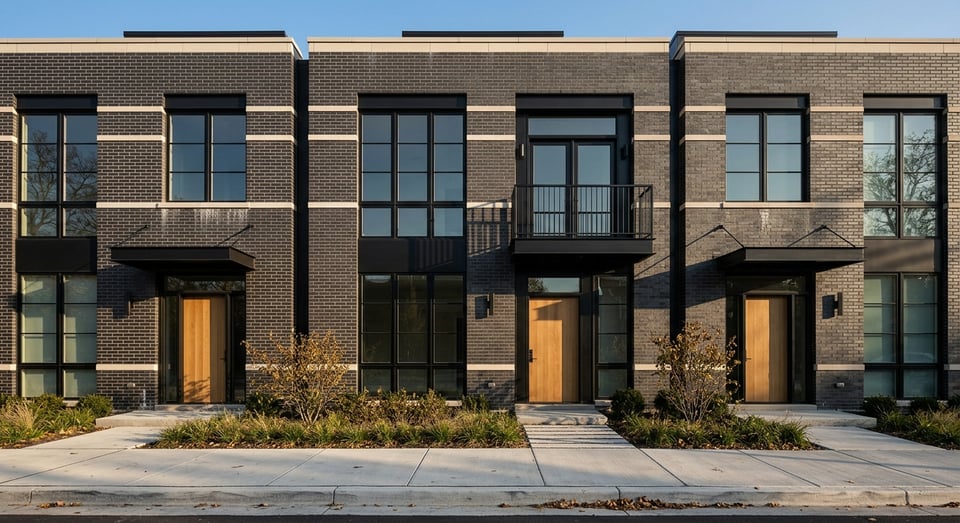
Other parts of the village offer newer residential environments and contemporary neighborhood layouts for buyers who prefer a more recent setting.
Outside in Orland Park
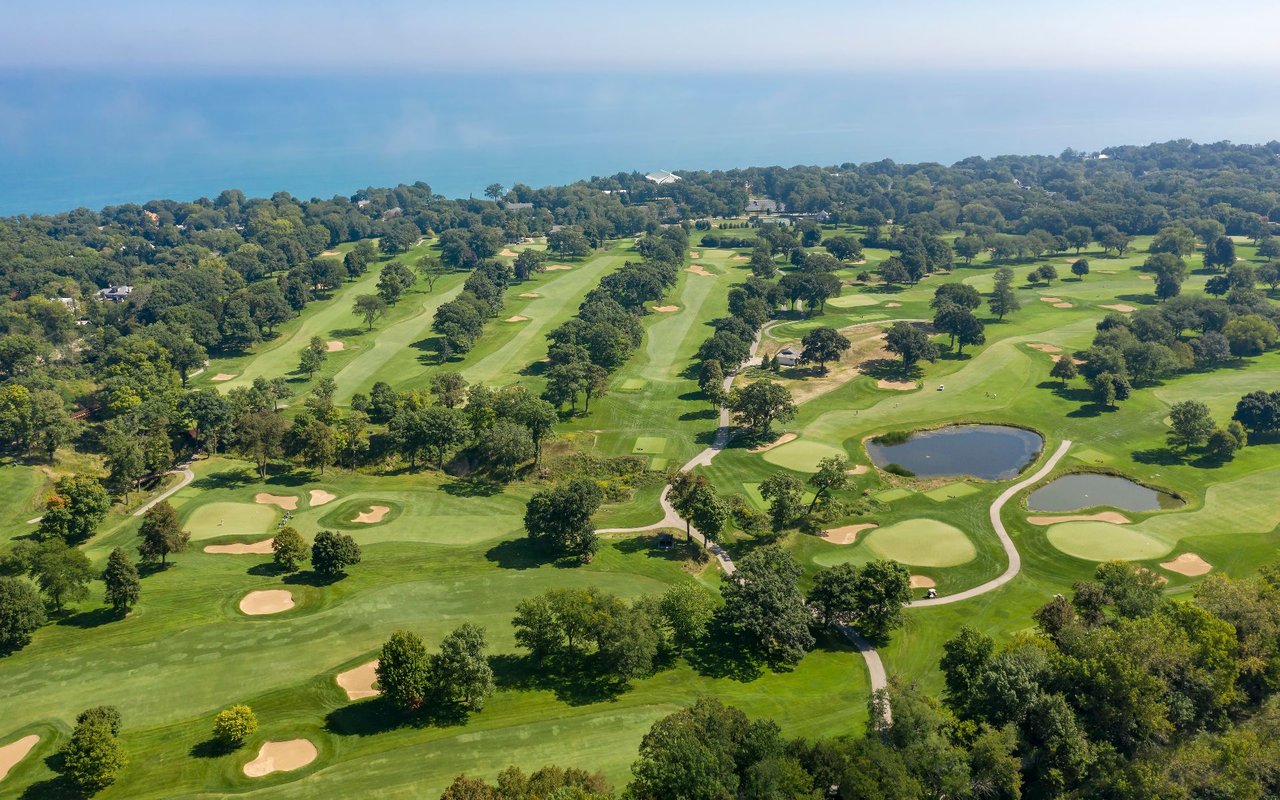
Outdoor recreation is woven throughout Orland Park, with community parks, walking and biking opportunities, sports facilities, golf, playgrounds, and nearby open spaces.
One of Orland Park's best-known recreation areas, Centennial Park offers a large-scale setting for outdoor activities, community recreation, walking, and time outside.
Lake Sedgewick adds a quieter outdoor setting to the community, with surrounding paths and space that contributes to Orland Park's broader network of recreation and open areas.
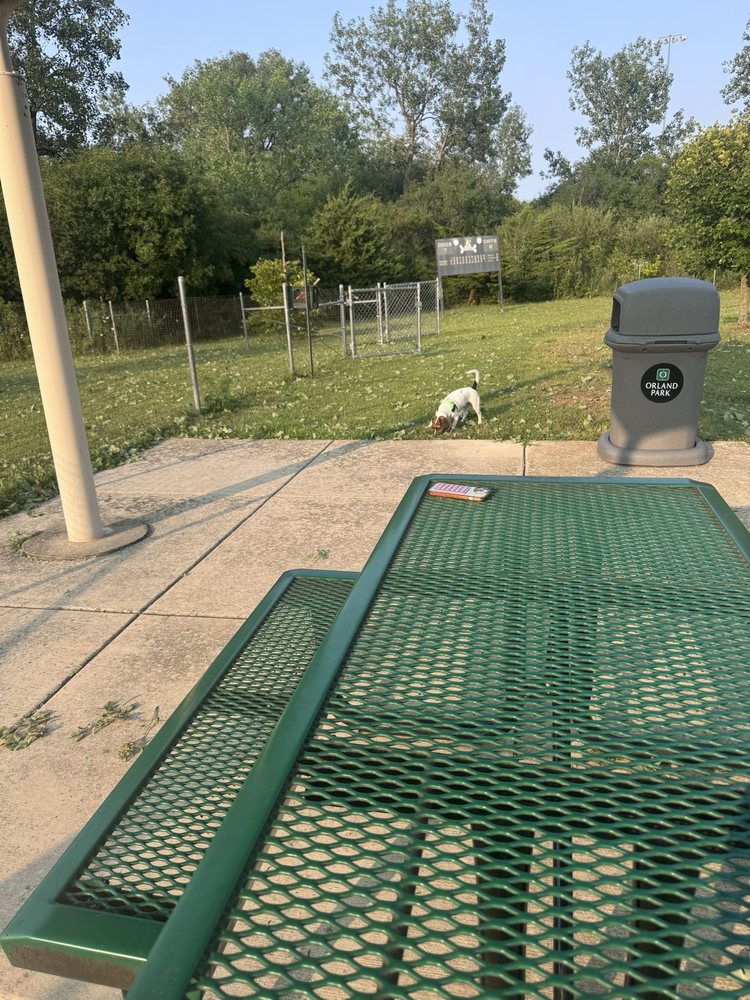
Parks and playgrounds are spread throughout the village, giving residents options for casual walks, outdoor exercise, recreation, and time close to home.
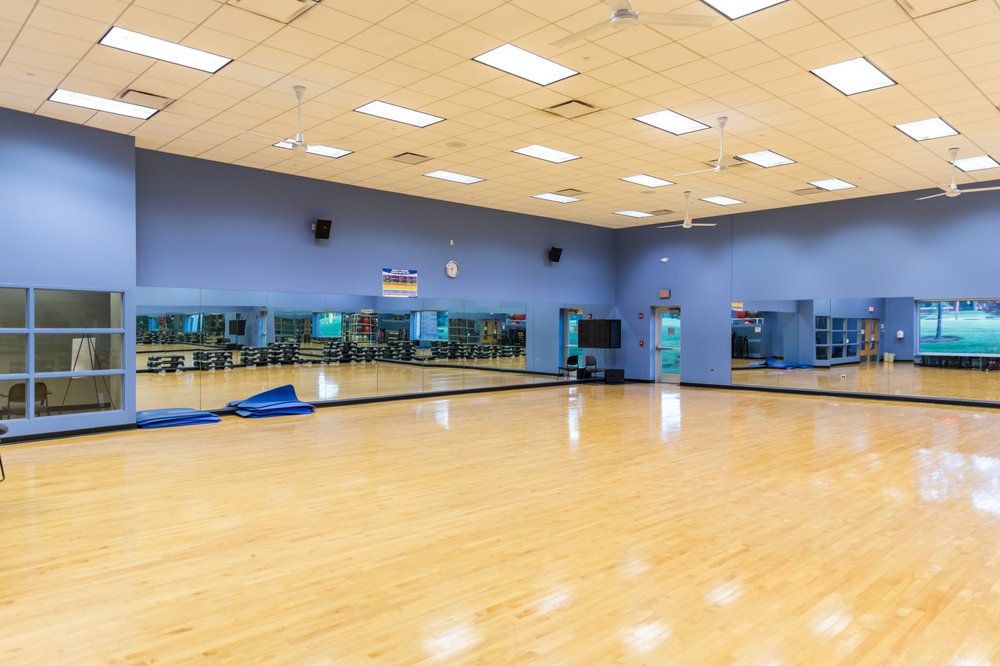
The Orland Park Sportsplex, golf options, fitness facilities, sports fields, and community programs support both indoor and outdoor recreation throughout the year.
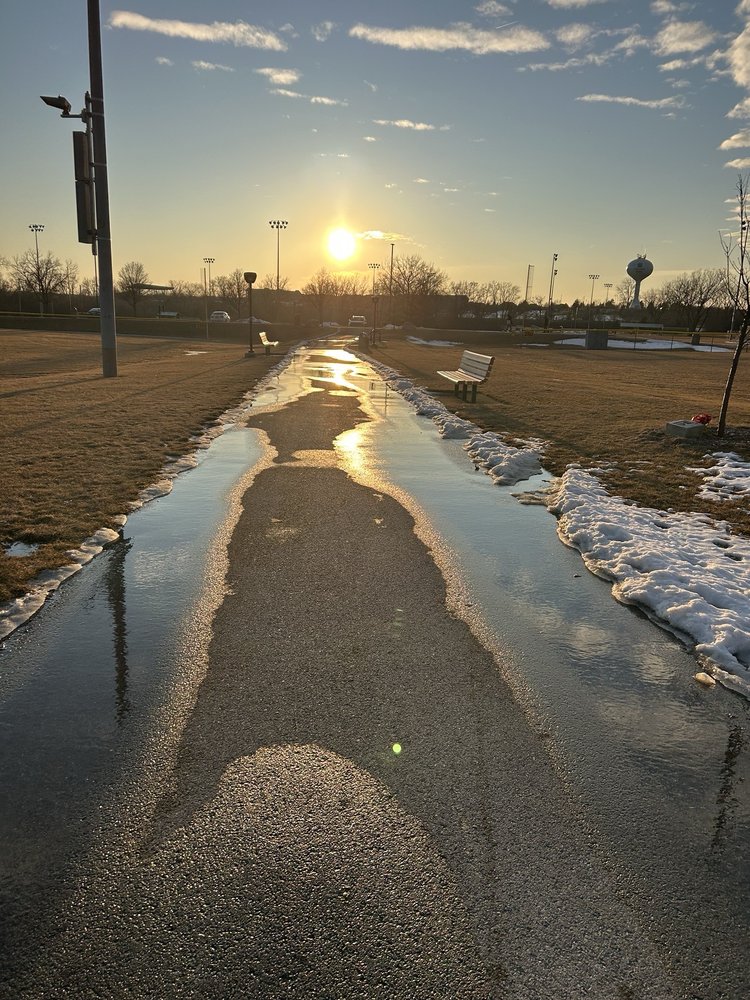
Local paths and nearby southwest suburban preserves create more opportunities for walking, biking, and enjoying a less built-up side of the area.
Things to Do in Orland Park
Orland Park's lifestyle extends beyond errands and commuting. Recreation, community programming, dining, outdoor spaces, shopping, and entertainment give residents several ways to enjoy a weekend without traveling far.
Walk local paths, visit a park, spend time around Lake Sedgewick, or explore recreation and open spaces around the village.
Fitness facilities, sports programs, golf, playgrounds, and community recreation provide options for active days throughout the year.
Orland Square, nearby retail centers, specialty stores, and major shopping corridors make it easy to combine errands with a relaxed afternoon out.
Dining options range from familiar casual favorites to local restaurants and destinations throughout the LaGrange Road and Orland Square areas.
Seasonal events, concerts, local programming, holiday activities, and civic gatherings add variety throughout the year.
Tinley Park, Palos-area communities, Homer Glen, and other nearby suburbs expand the selection of dining, entertainment, trails, and regional destinations.
Everyday Convenience
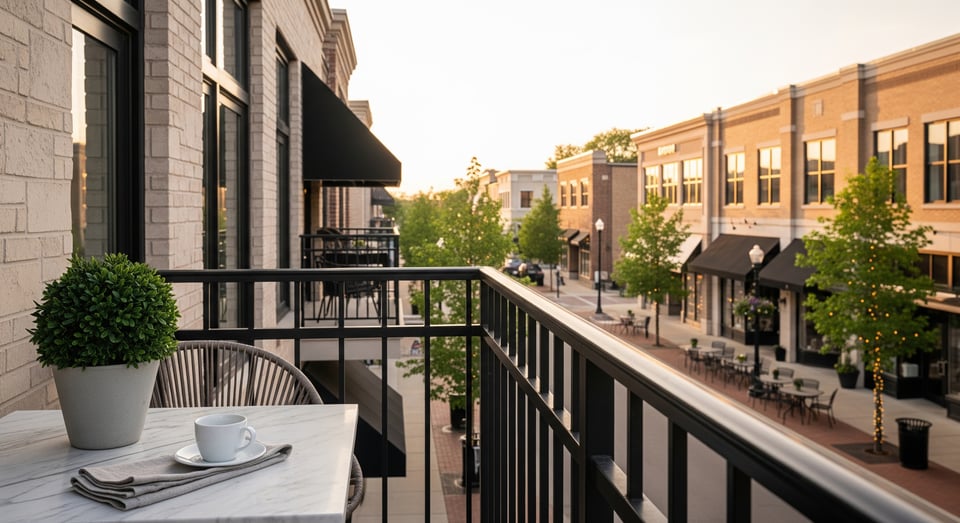
Shopping and dining are a visible part of everyday life in Orland Park. LaGrange Road serves as a major commercial corridor, with restaurants, services, groceries, fitness options, and retail positioned throughout the area.
Orland Square is one of the community's best-known retail destinations, while Orland Park Crossing and surrounding shopping centers add more open-air retail, dining, and service options.
For buyers considering a move, the advantage is choice. Some residential areas feel removed from the busiest corridors while remaining within a convenient drive of everyday essentials.
Getting Around
Location within the village can influence how residents approach workdays, errands, recreation, and trips into Chicago or neighboring suburbs.
Commuter rail gives residents another option for Chicago-bound trips. Buyers who expect to use Metra regularly may want to compare how easily different areas connect with station access.
LaGrange Road is both a major transportation route and one of Orland Park's primary shopping, dining, service, and everyday activity corridors.
Major east-west roads and nearby regional highways provide connections to neighboring suburbs, employment areas, airports, and destinations throughout Chicagoland.
Walkability varies by location, but sidewalks, park paths, and multi-use trails create opportunities to walk or bike for recreation in many parts of the village.
Education
School information is an important part of relocation research for many households. Orland Park is served by multiple public school districts, including Orland School District 135 and Consolidated High School District 230, along with private education options in and around the village.
Because school boundaries and individual assignments can vary by address, buyers should use the detailed school information farther down this page as a starting point when comparing locations.
The goal of this guide is not to rank one area over another, but to make it easier to understand which school resources are connected with different parts of Orland Park.
Connected to the Community
Orland Park's parks, civic spaces, recreation programs, local organizations, and seasonal activities create opportunities to experience the community beyond everyday errands.
Community calendars can include concerts, festivals, holiday activities, markets, and other seasonal gatherings throughout different parts of the year.
Community recreation, sports, fitness, and activity programs offer options for residents looking to stay active or try something new.
Local institutions and community spaces add classes, programs, events, and resources to the everyday experience of living in Orland Park.
Orland Park's location also makes it easy to explore entertainment, dining, events, and recreation in neighboring southwest suburban communities.
Everyday Life
A community guide should answer the practical questions too. Orland Park combines residential surroundings with a broad range of services used in everyday routines.
Major retail corridors and shopping centers provide convenient access to groceries, specialty stores, household needs, and everyday services.
Medical offices, clinics, urgent care, specialty providers, and regional healthcare systems are available throughout Orland Park and nearby southwest suburban communities.
Residents can choose among community recreation facilities, fitness centers, studios, parks, trails, sports programs, and outdoor spaces.
Nearby suburbs expand the selection of employment areas, entertainment, recreation, shopping, restaurants, and other destinations within the broader southwest suburban area.

Planning a Move
The best way to understand Orland Park is to experience more than one part of it. Spend time around the residential streets, parks, shopping corridors, recreation areas, and transportation options that would become part of your normal routine.
Think about where you expect to spend time during a typical week. Your preferred location may depend on whether you prioritize a quieter residential setting, quick access to shopping and dining, recreation nearby, or a convenient route toward work and other regular destinations.
Aaron Gaines can help you connect those lifestyle preferences with the Orland Park real estate search when you are ready to move from learning about the community to exploring available homes.
Explore More of Orland Park
Go deeper into the parts of Orland Park that matter most to your lifestyle without turning this community page into one long, repetitive guide.
Community Questions
Quick answers to common questions people ask when researching Orland Park as a place to live, visit, commute from, or explore before a move.
Orland Park is known for its established suburban neighborhoods, extensive shopping and dining, parks and recreation, regional transportation access, and convenient location within Chicago's southwest suburbs.
Daily life combines residential surroundings with convenient access to shopping, restaurants, parks, recreation, healthcare, schools, and transportation. Different parts of the village can feel quieter, more active, more established, or closer to major commercial corridors.
Orland Park is southwest of Chicago and is connected with the broader metropolitan area through major roads and commuter rail options.
Yes. Metra service provides a rail option for residents traveling toward Chicago. Buyers who plan to commute regularly may want to consider station access when comparing different locations.
Popular ways to spend time locally include visiting parks, walking or biking, recreation programs, golf, shopping, dining, community events, fitness activities, and exploring nearby southwest suburban destinations.
Orland Park includes neighborhood parks, playgrounds, trails, recreation facilities, Centennial Park, Lake Sedgewick, sports areas, and access to additional open spaces around the southwest suburbs.
LaGrange Road is a major shopping and dining corridor, with Orland Square, Orland Park Crossing, restaurants, grocery options, services, and other retail destinations nearby.
Orland Park is served by multiple school districts, including Orland School District 135 and Consolidated High School District 230. The detailed school section on this page can help with further research by location.
Major roads connect residential areas with shopping, dining, recreation, neighboring suburbs, and regional routes. Metra provides an additional commuting option, while local parks and trails create walking and biking opportunities for recreation.
Aaron's dedicated Orland Park real estate page is the best place to browse current homes and compare property options after you have explored the community and decided what kind of location fits your lifestyle.
Explore Orland Park
Explore the lifestyle, parks, transportation, shopping, dining, schools, and everyday conveniences that shape life in Orland Park. When you are ready to compare homes, Aaron can help you move from community research to a focused property search.
65,652 people live in Orland Park, where the median age is 46.2 and the average individual income is $51,052. Data provided by the U.S. Census Bureau.
Total Population
Median Age
Population Density
Average individual Income
There's plenty to do around Orland Park, including shopping, dining, nightlife, parks, and more. Data provided by Walk Score and Yelp.
Explore popular things to do in the area, including Hickory Farms, Suki Hana, and Another Level.
| Name | Category | Distance | Reviews |
Ratings by
Yelp
|
|---|---|---|---|---|
| Dining | 0.69 miles | 2 reviews | 4/5 stars | |
| Dining | 0.78 miles | 0 reviews | 0/5 stars | |
| Shopping | 0.37 miles | 0 reviews | 0/5 stars | |
| Shopping | 0.5 miles | 0 reviews | 0/5 stars | |
| Shopping | 0.65 miles | 3 reviews | 4.7/5 stars | |
| Shopping | 0.66 miles | 10 reviews | 3.2/5 stars | |
| Shopping | 0.72 miles | 0 reviews | 0/5 stars | |
| Shopping | 0.78 miles | 1 review | 5/5 stars | |
| Shopping | 0.8 miles | 0 reviews | 0/5 stars | |
| Active | 0.28 miles | 0 reviews | 0/5 stars | |
| Active | 0.3 miles | 9 reviews | 3.8/5 stars | |
| Active | 0.4 miles | 1 review | 5/5 stars | |
| Active | 0.45 miles | 28 reviews | 4.4/5 stars | |
| Active | 0.78 miles | 0 reviews | 0/5 stars | |
| Beauty | 0.3 miles | 0 reviews | 0/5 stars | |
| Beauty | 0.64 miles | 0 reviews | 0/5 stars | |
| Beauty | 0.64 miles | 0 reviews | 0/5 stars | |
| Beauty | 0.66 miles | 0 reviews | 0/5 stars | |
| Beauty | 0.66 miles | 4 reviews | 5/5 stars | |
| Beauty | 0.66 miles | 0 reviews | 0/5 stars | |
| Beauty | 0.67 miles | 0 reviews | 0/5 stars | |
| Beauty | 0.74 miles | 0 reviews | 0/5 stars | |
| Beauty | 0.79 miles | 2 reviews | 5/5 stars | |
| Beauty | 0.81 miles | 1 review | 4/5 stars | |
|
|
||||
|
|
||||
|
|
||||
|
|
||||
|
|
||||
|
|
Orland Park has 26,092 households, with an average household size of 2.51. Data provided by the U.S. Census Bureau. Here’s what the people living in Orland Park do for work — and how long it takes them to get there. Data provided by the U.S. Census Bureau. 65,652 people call Orland Park home. The population density is 2,221 and the largest age group is Data provided by the U.S. Census Bureau.
Total Population
Population Density Population Density This is the number of people per square mile in a neighborhood.
Median Age
Men vs Women
Population by Age Group
0-9 Years
10-17 Years
18-24 Years
25-64 Years
65-74 Years
75+ Years
Education Level
Total Households
Average Household Size
Average individual Income
Households with Children
With Children:
Without Children:
Blue vs White Collar Workers
Blue Collar:
White Collar:
ADDRESS 16101 108TH AVE ORLAND PARK IL 60467
SEND A MESSAGE
Reach out now for a fast response and personal assistance.
ADDRESS 16101 108TH AVE ORLAND PARK IL 60467
SEND A MESSAGE
Reach out now for a fast response and personal assistance.