If your home is going to make a strong first impression in Orland Park, that moment will likely happen on a screen before anyone steps through the door. Buyers today often start online, and listing photos and video can shape whether they book a showing or keep scrolling. If you want your home to look polished, welcoming, and true to life, a little preparation goes a long way. Let’s dive in.
Why photo prep matters
Online presentation is not a small detail in today’s market. In NAR’s 2024 buyer survey, 43% of buyers started their home search on the internet, 51% found the home they purchased through an online search, and 41% said listing photos were very useful.
That means your photo and video day is part of your launch strategy, not just a cleanup task. For many buyers, the online gallery is the first showing. Since 69% of buyers used a mobile phone or tablet during their search, your home also needs to look clear and inviting on a smaller screen.
Start with clean, simple spaces
The most important step before photos and video is to reduce distractions. NAR staging research shows that agents most often recommend decluttering, cleaning the entire home, and removing pets during showings. Those basics help your home feel more spacious, calm, and easy to understand in pictures.
You do not need to make your home look empty or cold. You want it to look lived-in lightly, with enough space for buyers to focus on the home itself. Clean surfaces, open walkways, and a simple layout make each room easier to photograph.
Focus on clutter first
Clutter reads louder on camera than it does in person. Everyday items like cords, paper stacks, shoes, countertop appliances, and extra toiletries can make a room feel busier in photos than it really is.
Before the shoot, put away anything that adds visual noise. Think of it as editing the room so the size, light, and layout can stand out.
A good pre-shoot checklist includes:
- Clear kitchen counters except for one or two simple accents
- Remove magnets, notes, and papers from the refrigerator
- Store toiletries, bath mats, and cleaning products out of sight
- Tidy nightstands and dressers
- Put away pet bowls, toys, crates, and beds
- Hide trash cans when possible
- Organize entryways, mudrooms, and laundry areas
Clean like the camera sees everything
A camera picks up details you may stop noticing day to day. Smudged mirrors, dust on dark furniture, water spots, and streaky windows can all show up in listing media.
NAR research also highlights whole-home cleaning and carpet cleaning as common prep items. If you are choosing where to spend time first, prioritize floors, glass, kitchens, bathrooms, and any surface that reflects light.
Remove personal distractions
Depersonalizing helps buyers picture the property as their future home. NAR’s 2025 staging snapshot found that 83% of buyers’ agents said staging made it easier for buyers to visualize a property.
That does not mean stripping away all warmth. It means removing highly personal items like family photo walls, name signs, and bold collections that pull attention away from the home’s features.
Prioritize the rooms buyers notice most
Not every room carries equal weight in listing media. According to NAR staging findings, the living room, primary bedroom, and dining room are staged most often, and buyers’ agents also rank the living room, primary bedroom, and kitchen among the most important rooms to stage.
If your schedule is tight, start there. These spaces often anchor your online gallery and help set the tone for the rest of the home.
Living room
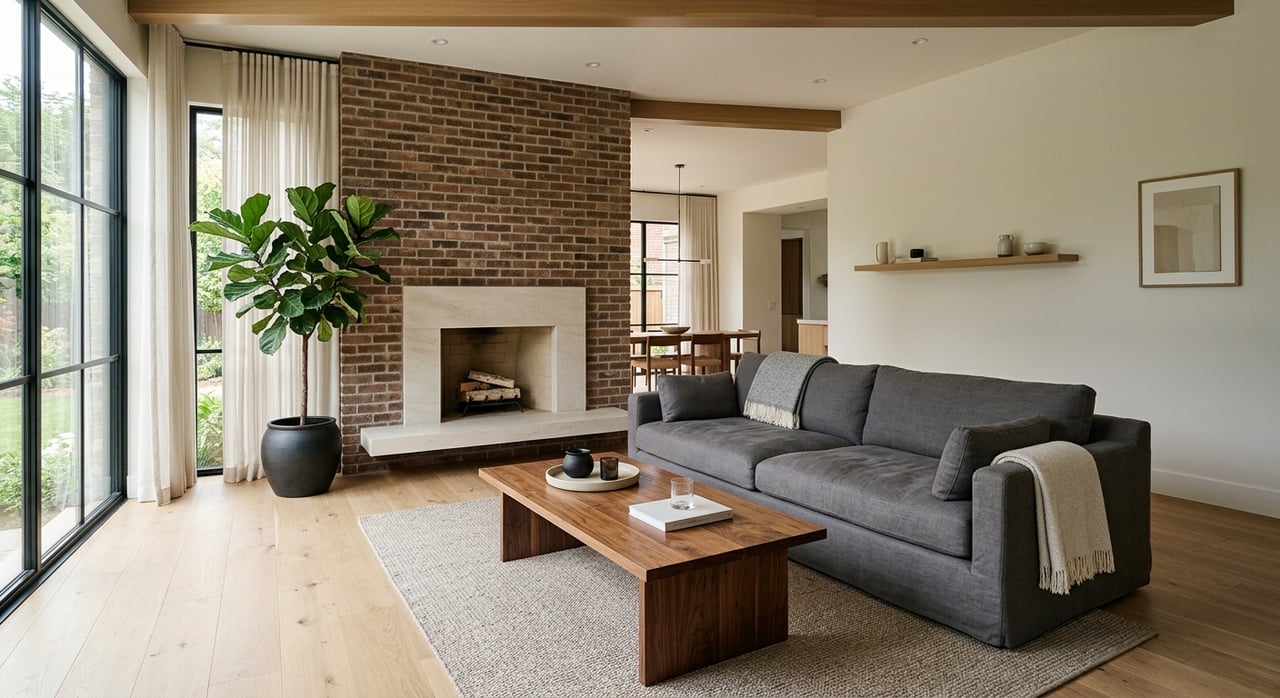
Your living room should feel open, balanced, and easy to walk through. Straighten pillows, simplify shelves, and remove oversized furniture or extra side tables if the room feels crowded.
Try to create a clean focal point. That may be a fireplace, a window wall, or a seating area with clear spacing between pieces.
Kitchen
The kitchen photographs best when it looks bright and functional. Clear most items off the counters, wipe down stainless steel, and make sure the sink is empty.
If you want to add warmth, keep it minimal. A small bowl of fruit or a simple tray can work, but too many decorative pieces can make the room feel smaller.
Primary bedroom
The primary bedroom should feel restful and uncluttered. Make the bed neatly, use simple bedding if possible, and clear the tops of dressers and nightstands.
If there is a chair piled with clothes or a treadmill in the corner, move it for the shoot. The goal is to show scale, light, and floor space.
Use lighting that looks natural
Lighting can make a clean home look bright and inviting, or uneven and flat. The U.S. Department of Energy notes that lighting quality matters as much as quantity and that warm light is generally preferred for living spaces. It also notes that 2700 to 3600 K is a common range for indoor general and task lighting.
For photos and video, consistency matters. Mixed bulb colors from room to room can make your home feel patchy on camera, especially when buyers are viewing it on a phone.
Create even light
Open blinds and shades to bring in natural light where it helps. Then turn on interior lights that support the room without creating glare or harsh hot spots.
The goal is not dramatic mood lighting. It is balanced, flattering light that helps buyers see the room clearly.
Avoid common lighting mistakes
Before the photographer arrives, check for these issues:
- Burned-out bulbs
- Bulbs with different color temperatures in the same room
- Lamps with shades that tilt or look worn
- Heavy curtains blocking useful daylight
- Reflective glare on TVs, mirrors, or glossy surfaces
If you replace bulbs, try to keep brightness and color tone consistent. Clean light helps your finishes, wall color, and room dimensions read more accurately.
Prep for video, not just still photos
Photos remain the core listing asset, but video also matters. NAR staging research found that 89% of sellers’ agents said photos were much or more important to clients, while 74% of buyers’ agents said the same about videos.
Video captures movement, flow, and transitions between spaces. That means your prep needs to work from every angle, not just from one carefully framed corner.
Think in motion
For video day, look at how each room connects to the next. Open doors fully, clear hallways, and make sure sightlines feel clean from one room into another.
Anything that interrupts the visual flow will stand out. Loose cords, bulky bins, and half-open closet doors may seem minor in person, but they can distract in a walkthrough video.
Keep it honest and realistic
Edited media should still reflect the home accurately. NAR reporting warns that digitally altered images can create disappointment when they disguise condition, scale, or cost.
That is why the best strategy is simple: present the home well in real life. Clean, realistic, well-lit media builds trust and helps buyers arrive with the right expectations.
Boost curb appeal for the camera
Exterior media matters too. NAR staging research includes the landscape and outdoor area among common seller prep items, which makes sense because buyers often judge the home before they ever see the inside.
In the Orland Park area, seasonal weather can shape how much exterior prep you need. Chicago climate normals show cold winters with regular snowfall and warm summers, so your exterior checklist should reflect the time of year.
Warm-season exterior prep
When grass, trees, and front beds are active, focus on neatness over big projects. Illinois Extension notes that trees and shrubs add texture and curb appeal, and a simple front-porch container display can make a home feel more welcoming.
That supports small, smart fixes like:
- Trim shrubs and edge the walkway
- Sweep the porch and front steps
- Add a clean doormat
- Place simple container plants near the entry
- Move bins, hoses, and toys out of view
- Park cars away from the front of the home if possible
Winter exterior prep
In colder months, exterior presentation needs extra attention. Snow and ice can hide the shape of walkways and make the home feel less cared for if they are left untreated.
Before photos or video, clear snow from sidewalks, porches, and driveways as much as possible. Brush off visible surfaces, remove slush, and keep the front entry looking safe and clean.
Handle last-minute details on shoot day
The final hour before photos and video can make a big difference. Once the larger prep is done, you want a quick reset that helps every room feel calm and camera-ready.
Here is a simple day-of checklist:
- Open blinds where daylight helps the room
- Turn on matching lights and lamps
- Close toilet lids
- Straighten rugs and dining chairs
- Fluff pillows and smooth bedding
- Empty sinks and hide soap bottles if possible
- Put away pet items and arrange for pets to be out during the shoot
- Double-check mirrors, glass, and stainless steel for streaks
What not to do before listing media
It is easy to overdo prep, especially when you want your home to shine. In most cases, the best results come from clean, bright, and believable spaces, not over-styled ones.
Try to avoid these common mistakes:
- Starting a major landscaping project right before the shoot
- Using too many decorations or trendy props
- Leaving strong personal items in every room
- Relying on heavy editing instead of real preparation
- Forgetting that video captures angles photos may not
A polished listing does not need to feel staged beyond recognition. It needs to feel cared for, functional, and easy for buyers to imagine as home.
Why this matters for your Orland Park sale
When your home is marketed with professional photos and video, preparation is part of the strategy. A well-prepared home can help buyers understand the layout faster, notice the right features, and feel more confident about scheduling a showing.
That matters in a media-first market where online impressions can shape real-world traffic. If you are planning to sell in Orland Park, thoughtful preparation can help your home enter the market with more clarity, stronger visual impact, and a better story from day one.
If you want expert guidance on getting your home ready for listing photos, video, and a polished market debut, connect with the Lifestyle & Legacy Group. We help Orland Park sellers prepare, position, and market their homes with a professional, concierge-level approach.
FAQs
How should you prepare your Orland Park home for listing photos?
- Start with decluttering, whole-home cleaning, depersonalizing, and removing pet items. Then focus on the living room, kitchen, primary bedroom, lighting, and front entry.
Which rooms matter most for Orland Park listing media?
- The living room, primary bedroom, dining room, and kitchen usually deserve the most attention because they are often the most important spaces in online photos and video.
Should you prepare differently for listing video than for photos?
- Yes. Video shows flow between rooms, so you need to clear hallways, open sightlines, and remove items that may not appear in a single still photo but will show up during a walkthrough.
What lighting works best for real estate photos in Orland Park homes?
- Balanced, even lighting usually works best. Open blinds where daylight helps, replace burned-out bulbs, and avoid mixing very different bulb colors in the same room.
How do you improve curb appeal before exterior photos in Orland Park?
- Focus on seasonal basics like trimming shrubs, sweeping the entry, adding simple containers in warm months, and clearing snow and ice in winter so the front of the home looks neat and accessible.