
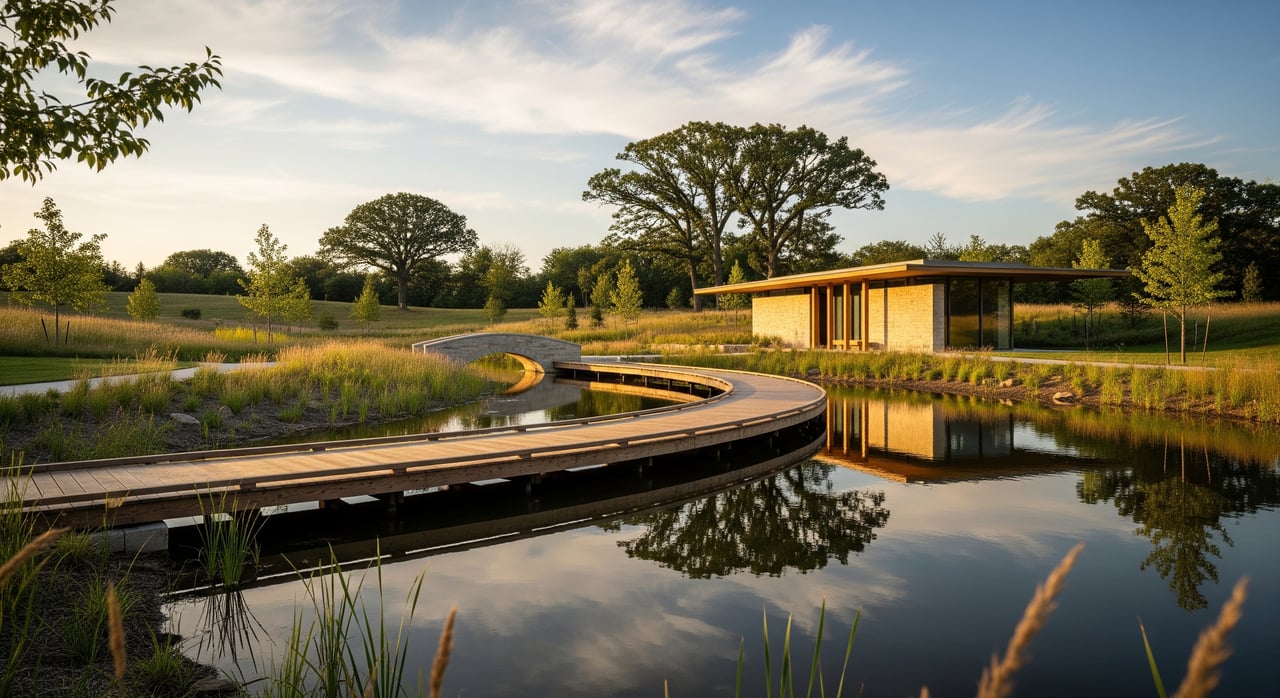
Love getting outside but not sure where to start in Orland Park? You have plenty of choices, from neighborhood playgrounds to miles of trails and nearby forest preserves. Whether you want a quiet walk, a soccer field for weekend games, or a place to ride with the kids, this guide helps you zero in on what fits your lifestyle. You will learn who manages local parks, what to expect in each area, and how to match outdoor access with the neighborhood you choose. Let’s dive in.
How parks work in Orland Park
Orland Park’s outdoor scene is shaped by a few key groups that work together to deliver parks, trails, and programs:
- Orland Park Park District. Operates most neighborhood and community parks, playgrounds, athletic fields, outdoor pools, classes, leagues, and rentals.
- Village of Orland Park. Manages certain public facilities, streetscape and bike lane maintenance, special events, and projects that support walkability and connectivity.
- Forest Preserve District of Cook County. Oversees regional forest preserves, nature areas, and multi-use trails close to Orland Park that are ideal for hiking, birding, and fishing.
- Illinois Department of Natural Resources. Sets rules for activities like fishing and hunting and licensing where they apply.
This setup means you can enjoy everything from a quick playground stop near home to a longer day on regional trails, all within a short drive.
At a glance: What you can find
- Neighborhood parks and playgrounds. Short walks from many homes, with play structures, open lawns, and picnic space.
- Community parks and sports complexes. Multi-field hubs for youth and adult leagues, large playgrounds, and reservable shelters.
- Forest preserves and natural areas. Nearby habitats with boardwalks and trails for birding, nature walks, and quiet time.
- Trails and greenways. Paved and crushed-stone routes for running, cycling, and stroller-friendly outings, with connections into the broader Cook County network and the Calumet-Sag corridor.
- Water features. Ponds and small lakes for scenic loops and fishing where permitted.
- Seasonal amenities. Outdoor pools and splash features, sled hills, ice skating opportunities, and summer events.
- Specialty facilities. Dog parks, skate features, tennis and pickleball courts, and community gardens in select locations.
Match your lifestyle to the right spots
Families with kids
If you want easy playground time and weekend sports, look for homes within a 10-minute walk of a neighborhood park. You will appreciate rubber or mulch play surfacing, restrooms, and shaded seating. In summer, outdoor pools and splash areas add a bonus for hot days. Shelters and grills can often be reserved for birthdays and family gatherings.
Runners and walkers
You will find a mix of paved loops in town parks and longer crushed-stone routes in nearby preserves. Many paths are flat and stroller friendly. Focus on routes that offer water fountains and restrooms at trailheads. Early mornings and early evenings are popular times, so look for well-marked paths and lighting near community parks if you prefer those hours.
Cyclists and bike commuters
Orland Park links into regional corridors in Cook County, including connections toward the Calumet-Sag Trail area and other county trail segments. Target wide multi-use paths and streets with marked bike facilities for predictable riding. If you combine bike and train, look for neighborhoods within a short ride of transit and confirm bike parking availability at your station.
Nature lovers and birders
The Forest Preserve District of Cook County manages wetlands, woodlands, and prairie-style areas near Orland Park. These preserves offer seasonal interest, from spring wildflowers to fall color and winter quiet. Pack binoculars and follow posted rules on habitat protection and seasonal closures.
Sports leagues and active adults
Community parks often include lit fields, diamonds, and courts. Adult leagues are common, along with youth sports and summer camps. Check registration windows early. Pickleball and tennis courts are popular, and some complexes may offer reservations.
Neighborhood access and home search tips
When you shop for a home, think about your everyday routine. Can you walk to a playground in 10 minutes, or bike to a trailhead in under 10? Use a simple framework:
- 10-minute walk, about 0.5 mile. Ideal for daily playground visits and quick dog walks.
- 20-minute walk, about 1 mile. Great for larger community parks or grocery and coffee stops after a loop.
- 5–10-minute bike, 1–2.5 miles. Opens access to more trails, sports fields, and pools.
Typical housing patterns in Orland Park pair well with these choices:
- Established central areas. Often feature mid-century or 1970s single-family homes on medium lots with mature trees and sidewalks. These blocks tend to sit close to neighborhood parks.
- Newer subdivisions and townhouse clusters. Common near the village edges and shopping corridors, with quick drives or short bike rides to parks and regional trails. Lower yard maintenance can appeal to busy households or downsizers.
- Closer-in village and town-center options. Condos and attached homes near community parks and civic amenities, a fit for buyers seeking low maintenance and walkability.
Must-experience outdoor options
Neighborhood playgrounds and pocket parks
You will find small parks woven into many residential areas. Expect modern play structures, swings, open turf for free play, and benches. These are perfect for quick outings before dinner or after school. Many include paved loops that work for scooters and strollers.
Community sports complexes
Large parks host soccer pitches, baseball and softball diamonds, and multi-sport fields. Some complexes include lit facilities for evening games, seating, and concessions during league play. Picnic shelters can often be reserved, and parking is designed for tournament weekends.
Forest preserves and nature areas nearby
Close to Orland Park, forest preserves managed by the county offer a different pace. Trails cross wetlands and woodlands, with habitats that change season by season. Keep an eye on posted advisories for trail conditions and any seasonal closures.
Trails and regional connectivity
Multi-use paths in and around Orland Park connect to broader Cook County trail segments and the Calumet-Sag corridor. Surfaces range from paved to crushed stone. These routes support longer training runs and family rides, with scenic stretches and access points at major road crossings or parking areas.
Water features and fishing
Small lakes and ponds add scenery, loop options, and fishing in permitted areas. Check local rules before casting a line and follow state licensing requirements if they apply. Many paths near water are flat and accessible, which is helpful for strollers and wheelchairs.
Golf and specialty recreation
Public and private golf options sit within a short drive of most neighborhoods, along with practice areas and lessons. You may also find skate features, dog parks, tennis, and pickleball courts across the community. Confirm hours, reservation rules, and any fees before you go.
Sample run and ride ideas
- Family-friendly 2–3 mile loop. Start at a neighborhood park, follow paved paths around nearby ponds, and add a short spur to reach a second playground. Surfaces are typically smooth and stroller friendly.
- 5–6 mile park-to-park route. Link two community parks using sidewalks and multi-use paths for a steady run. Plan water stops at park restrooms and fountains when available.
- 8–12 mile out-and-back in preserves. Use a crushed-stone regional trail near Orland Park for a longer workout. Expect fewer road crossings and consistent grades, which are ideal for tempo runs and casual cycling.
Seasonal highlights you will love
- Summer. Outdoor pools, splash features, summer camps, youth leagues, and concerts fill the calendar. Reserve shelters early for weekend events.
- Fall. Trails shine with color, and cross-country courses host meets. Be mindful of posted preserve notices and stick to marked routes.
- Winter. Sled hills and ice skating opportunities may open when conditions allow. Some trails are suitable for snowshoeing when snow cover is consistent.
- Spring. Volunteer planting days and habitat workdays often pop up. Trails can be wet, so watch for temporary closures during freeze-thaw cycles.
Practical tips for easy outings
Accessibility
Look for parks with paved loops, curb cuts, and accessible restrooms. Many community parks offer accessible parking near trailheads and play areas. When in doubt, call ahead to confirm features that matter to you.
Dogs and trail etiquette
Keep dogs leashed unless you are in a designated off-leash area. Pack waste bags and use the stations provided. Yield to pedestrians on shared paths, announce when passing, and keep right to maintain a smooth flow.
Permits and reservations
Shelters, fields, and special events may require permits. Book early for peak-season dates and confirm rules about amplified sound, grills, and alcohol. Tournaments and leagues have separate registration windows, so mark your calendar.
Safety and hours
Parks and preserves have posted hours and rules. Lighting varies by location, and some fields are lit for evening use. If you see damage or maintenance issues, report them to the managing agency so crews can respond quickly.
Programs and camps
From youth sports and swim lessons to adult leagues and nature programs, the local calendar is full. Check seasonal schedules and waitlists, and build in travel time if you plan multiple activities in one day.
How to use this guide in your home search
Start by listing your top three outdoor priorities. Do you want a playground within a 10-minute walk, a short bike to a regional trail, or quick access to a community pool? Next, map those priorities to the parts of Orland Park that fit your routine. Then tour homes at different times of day so you can feel the rhythm of school drop-offs, league nights, and weekend traffic. A little planning now helps you land in a spot where daily life just works.
If you want help matching neighborhoods to your lifestyle, our team has tools to map walk-sheds and trail access around the homes you like. We will help you weigh tradeoffs, like lot size compared with park proximity, and outline realistic commute options.
Ready to explore homes near the green spaces you love? Connect with the Lifestyle & Legacy Group for local guidance tailored to how you live. Reach out to the Lifestyle & Legacy Group to get started.
FAQs
What are the main park agencies serving Orland Park?
- The Orland Park Park District manages most neighborhood and community parks, the Village of Orland Park supports local facilities and connectivity, and the Forest Preserve District of Cook County operates nearby preserves and regional trails, with state rules from the Illinois Department of Natural Resources.
How can I find a home within a 10-minute walk to a playground in Orland Park?
- Focus on established residential blocks near neighborhood parks and use a 0.5-mile radius as a quick screen, then confirm sidewalks, crossings, and actual walk times during showings.
Where can I go for longer runs or bike rides without leaving the area?
- Combine in-town multi-use paths with nearby forest preserve trails that link into Cook County’s regional network, including connections toward the Calumet-Sag corridor for extended miles.
Are there off-leash dog options in or near Orland Park?
- Some areas offer designated off-leash dog facilities, while all other parks and trails typically require leashes; check posted rules at your chosen site before visiting.
Which outdoor spots are best for little kids versus teens?
- Little kids tend to enjoy neighborhood playgrounds and splash features, while teens often prefer skate features, full-size courts, and multi-field sports complexes that support league play and practices.
Do I need a permit to reserve a shelter or run a team practice?
- Many shelters and sports fields require advance reservations or permits, and rules may cover hours, amplified sound, and grills, so secure your date early and review the guidelines in detail.
How do parks and trails influence home value in Orland Park?
- Buyers often value easy access to green space and walkability, so compare homes within about 0.5 mile of major parks to broader area options and weigh the lifestyle benefits alongside pricing and condition.