
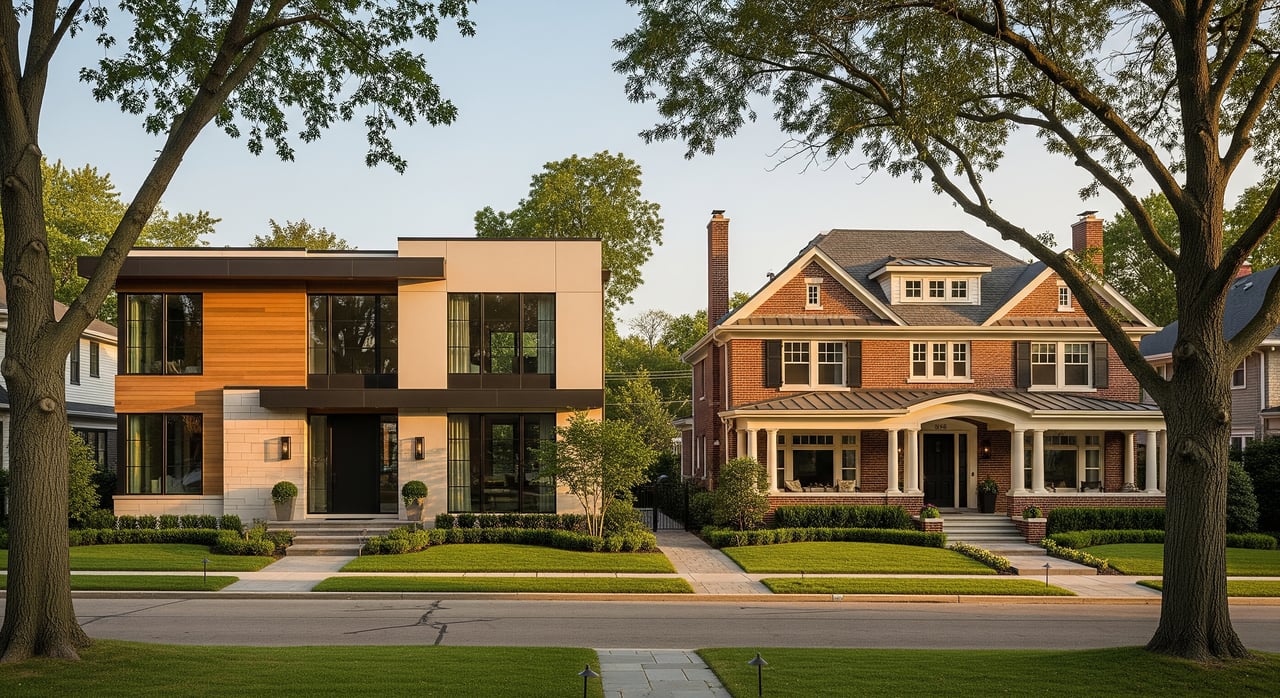
Torn between the excitement of a brand‑new build and the charm of an established home in Orland Park? You are not alone. Your choice affects cost, timing, maintenance, and even how you plan for property taxes and HOA fees. In this guide, you will see the tradeoffs clearly so you can move forward with confidence. Let’s dive in.
How the Orland Park market shapes your choice
Orland Park is a mature southwest suburb with a mix of established neighborhoods, townhome and condo communities, and newer subdivisions. Your decision often comes down to location within the village, commute routes into the city, and proximity to shopping, parks, and transit. School district boundaries and HOA structures vary by neighborhood and subdivision. Cook County assessment practices also influence your long‑term budget, so plan for taxes as part of your decision.
New construction: what to expect
New homes in Orland Park usually come with a list price set by the builder. That base price does not always include upgrades or lot premiums, so your final price can rise once you add options. Many new communities have HOA fees that support amenities like trails or clubhouses, which adds to monthly costs.
Construction timelines can range from several months to over a year depending on builder backlog, weather, and materials. Some builders offer spec homes that are closer to move‑in, with fewer customization choices. Ask for a detailed schedule, along with milestone updates and remedies if delays happen.
Energy efficiency is a strong advantage. New builds follow current codes and typically include modern HVAC, insulation, windows, and appliances. Most builders provide limited warranties, often a short workmanship warranty plus a longer structural warranty. Even with a warranty, plan independent inspections at key phases.
Resale homes: what to expect
Resale pricing is negotiated between you and the seller. You may have more flexibility on repairs, credits, and closing dates. The timeline to close is usually measured in weeks, not months, depending on the seller’s plans and your loan underwriting.
Condition varies by age and prior updates. You might need to budget for near‑term items like roof, HVAC, windows, or appliances. Inspections are essential, and specialty checks like radon, sewer scope, and pest can help you avoid surprises.
Side‑by‑side comparison
| Factor | New Construction | Resale |
|---|---|---|
| Price structure | Builder sets base price. Upgrades and lot premiums add to final cost. | Negotiated price. Credits and repairs can offset costs. |
| Upfront costs | Options, landscaping, utility connections, HOA initiation where applicable. | Immediate maintenance or updates based on age and condition. |
| Timeline | Months to a year or more, subject to delays. | Usually weeks from contract to close. |
| Customization | Choose finishes and some layouts. Spec homes have fewer choices. | Move in quickly, renovate over time if desired. |
| Efficiency | Built to current codes with modern systems. | Varies by age; may need energy upgrades. |
| Inspections & warranties | Multiple phase inspections recommended. Builder warranties typically included. | Standard inspections. No warranty unless transferable. |
| Negotiation & incentives | Builder incentives for rate buydowns or closing costs are common. Price flexibility varies. | Often more flexible on price, repairs, and timing. |
| HOA & amenities | HOAs common in newer communities, with associated fees. | May or may not have an HOA. Amenities vary. |
| Resale value | Initial newness premium can soften. Long‑term depends on location and demand. | Strongly tied to location, lot, condition, and updates. |
Cost and financing basics
New construction often involves builder‑preferred lenders or construction‑to‑permanent loans. These can include draw schedules and larger deposits during the build. Some builders offer incentives like rate buydowns or closing cost credits.
Resale purchases typically use conventional, FHA, VA, or other common loan products. Closing windows are shorter compared with ground‑up builds, which can help if you have a firm move date.
Cook County property taxes are driven by assessed value and exemptions. A newly built home may be assessed differently in its first tax cycle. For any home, check parcel‑specific tax history and exemptions as part of your budgeting.
Permits, title, and taxes in Orland Park
- New build inspections and occupancy: The Village of Orland Park oversees phased inspections and issues final occupancy certificates. Confirm that the builder will deliver a certificate of occupancy before closing.
- Resale permits: Ask whether past renovations were permitted and inspected. Unpermitted work can create delays and liability.
- Title and easements: New subdivisions come with recorded plats, utility easements, and covenants. Resale homes can have easements or past liens. Order a full title review and a policy.
- Taxes and assessments: Understand how Cook County assessments may change after you buy. In newer communities, confirm whether any special assessments apply for infrastructure or improvements.
- Insurance and site conditions: New homes usually have modern systems that fit standard policies. Older homes may have higher premiums if updates are needed. Check flood maps, drainage, and local environmental items regardless of age.
How to decide for your goals
- If move‑in speed matters: A resale home can get you settled sooner. A spec new home offers a middle path if available.
- If customization matters: A new build lets you choose finishes and sometimes floor plan options. A resale can be tailored through renovations on your timeline.
- If budgeting for the first year matters: A resale may require immediate maintenance, while a new home may carry upgrade and landscaping costs. Weigh total cost of ownership, not just the purchase price.
- If long‑term efficiency matters: New construction typically leads on energy performance. An updated resale can close the gap with targeted upgrades.
- If predictability matters: A resale transaction has fewer unknowns once inspections are complete. New construction has more moving parts and a longer runway.
Quick checklists
New construction buyer checklist
- Review builder reputation through past projects and references.
- Have an attorney or experienced agent review the builder contract and warranty.
- Ask for a written timeline with milestone inspection opportunities and remedies for delays.
- Confirm what is included for landscaping, driveway, and exterior grading.
- Get a clear list of upgrade pricing, lot premiums, utility tap‑in fees, and HOA initiation.
Resale buyer checklist
- Order a full home inspection and add pest, sewer scope, and radon as needed.
- Review recent utility usage, renovation records, and any permitted or unpermitted work.
- Use local MLS data to gauge comparable sales and days on market for offer strategy.
- Map a likely maintenance schedule and budget for big‑ticket items like roof and HVAC.
Seller tips
- If selling a newer home, highlight warranty transferability, energy‑efficient systems, and low‑maintenance features.
- If selling an older home, provide documentation for updates and permits. Consider a pre‑listing inspection to remove surprises.
- Stage strategically and price with an eye on recent MLS comps and the condition of competing listings.
Next steps
Your best option depends on how you balance timing, customization, risk, and long‑term costs. Whether you want the ease of a ready‑to‑go resale or the control of a new build, local due diligence makes all the difference. That means reviewing MLS comps, reading builder contracts closely, confirming permit and occupancy steps, and planning for Cook County assessments and HOAs.
If you want a calm, step‑by‑step process and clear answers tailored to your situation, reach out to the Lifestyle & Legacy Group. You will get local guidance, vetted options, and a plan that fits your timeline and budget.
FAQs
Is a new build or resale cheaper in Orland Park?
- It depends on upgrades, lot premiums, and HOA fees for new builds, and on maintenance or renovation needs for resales. Compare total cost of ownership, not just list price.
How long does new construction usually take in Orland Park?
- Timelines can range from several months to over a year based on builder backlog, weather, and materials. Ask for a written schedule and plan for potential delays.
Do I still need inspections on a brand‑new home?
- Yes. Independent pre‑drywall and final inspections help catch issues early, even when you have a builder warranty.
What warranties come with new construction?
- Builders commonly offer a short workmanship warranty and a longer structural warranty administered by third parties. Always review coverage and claim procedures.
Can I negotiate with builders on price or incentives?
- Builders often offer incentives like closing cost credits or rate buydowns. Price negotiation may be more limited than resale, but incentives can improve your net cost.
How do property taxes work for new vs. resale homes in Cook County?
- Taxes are based on assessed value and exemptions. A newly built home may be assessed differently in its first cycle, so evaluate parcel‑specific assessments in your budget.
Will a new subdivision have an HOA, and what does it cover?
- Many newer communities include HOAs that maintain common areas and amenities. Fees and coverage vary by subdivision, so review documents before you commit.
Do school district boundaries affect resale value in Orland Park?
- Boundaries are one factor buyers consider along with location, lot, and condition. Confirm specific district and attendance details for any property you are considering.